

Hami
Hami, an ancient Silk Road oasis in China’s Xinjiang region
Hami, also known as Kumul, is one of the oldest cities in China’s Xinjiang Uyghur Autonomous Region. Located along the legendary Silk Road, it served for centuries as a vital stop for merchants and travellers crossing Central Asia. Today, Hami combines a rich historical heritage with striking landscapes of deserts, mountains and fertile oases.
The city is internationally known for its famous Hami melon, prized throughout China for its exceptional sweetness. Beyond its agricultural reputation, Hami offers fascinating historical sites, Uyghur cultural traditions and spectacular scenery that reflects the diversity of north-western China.
What to see in Hami
Among the city’s highlights are the remains of the ancient Royal City of Hami, which played an important role along the Silk Road, and the impressive Hami Kings’ Mausoleum, an important monument of Uyghur history and architecture.
Visitors can also explore traditional markets, sample regional cuisine and discover local specialities including dried fruit, raisins and the renowned Hami melon.
The surrounding region features the dramatic Tianshan Mountains, sections of the Gobi Desert, fertile oases and wide-open landscapes that provide excellent opportunities for photography and outdoor exploration.
When to visit Hami
Spring and autumn offer the most pleasant weather for sightseeing. Summers are extremely hot, while winters can be very cold because of the region’s continental climate.
Rich in Silk Road history and unique natural scenery, Hami is one of Xinjiang’s most rewarding destinations.
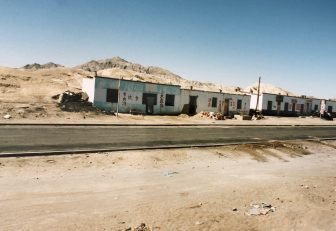
from Dunhuang to Uighur world through Hami
[ Sept.1996 ] At the beginning of the third week of our grand across China travel, we headed west for Hami from Dunhuang by bus. The bus was as battered as the one to Xiahe….
