
Corsica
Corsica, mountains, historic towns and Mediterranean landscapes
Corsica is a French island in the Mediterranean, located north of Sardinia and west of the Italian peninsula. Known for its spectacular coastline, mountainous interior and historic towns and villages, the island offers remarkably varied landscapes within a relatively compact territory.
Corsica’s history has been shaped by the many powers that controlled the island over the centuries. After a long period associated with the Republic of Genoa, it became part of France in the eighteenth century. Napoleon Bonaparte was born in Ajaccio in 1769, shortly after French control of the island had been consolidated.
The mountainous interior has a very different character from the coastal resorts. Forests, valleys and small villages preserve a strong Corsican identity, expressed through local traditions, food and a language that remains part of the island’s culture.
What to see in Corsica
Ajaccio, the capital of Corsica, overlooks a broad Mediterranean gulf and is closely associated with Napoleon. His birthplace, now a museum, is one of the city’s principal historic attractions.
In the south, Bonifacio occupies a spectacular position above high limestone cliffs. Its fortified old town overlooks the sea and provides impressive views towards the Strait of Bonifacio and Sardinia.
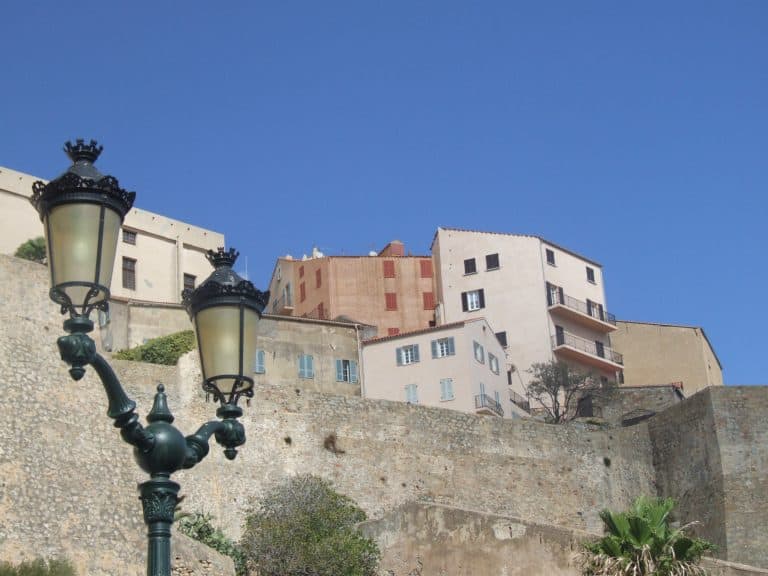
In northern Corsica, Bastia has an attractive historic centre developed around its harbour, while Calvi is dominated by an imposing citadel overlooking the coast.
Among the island’s most remarkable natural landscapes are the Calanques de Piana, where dramatic reddish rock formations descend towards the Mediterranean. The mountainous interior is crossed by numerous walking routes, including the famous GR20, considered one of Europe’s most demanding long-distance trails.
Corsica is also renowned for its beaches and bays, ranging from popular stretches of coastline to smaller coves reached along scenic roads and walking paths.
When to visit Corsica
May, June, September and early October are particularly pleasant for combining sightseeing, walking and time by the sea. July and August are hotter and also represent the busiest tourist season.
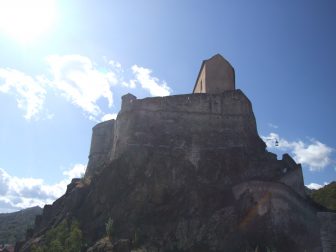
Corte, the capital of Corsican Republic
[Sept. 2007] While participating in a walking tour on the island of Corsica in France, I often moved on my own away from the group, and on this day as well, I participated in another…
