
Lake Ohrid
Lake Ohrid, one of Europe’s oldest lakes and a UNESCO World Heritage Site
Lake Ohrid is one of the most remarkable natural attractions in the Balkans and among the most fascinating destinations in North Macedonia. Estimated to be more than one million years old, it is one of the world’s oldest surviving lakes and is internationally recognised for its exceptional biodiversity and crystal-clear waters. Together with the historic town of Ohrid, the lake has been designated a UNESCO World Heritage Site, making it a must-visit destination for travellers interested in nature, history and culture.
Stretching across the border between North Macedonia and Albania, Lake Ohrid has been an important crossroads of civilisations for centuries. Its shores are dotted with medieval monasteries, Byzantine churches, traditional fishing villages and beautiful beaches that attract visitors throughout the summer months.
What to see at Lake Ohrid
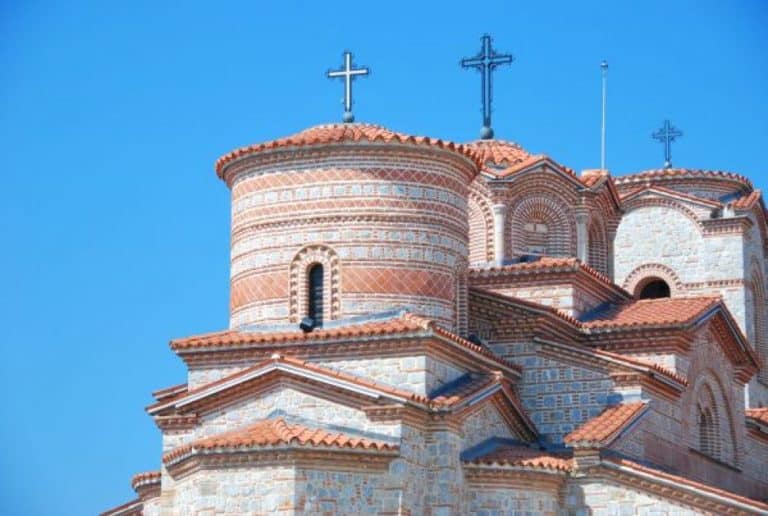
The best place to begin your visit is the historic town of Ohrid, famous for its cobbled streets, traditional houses and extraordinary concentration of religious monuments. Highlights include the iconic Church of Saint John at Kaneo, dramatically perched on a cliff overlooking the lake, the Monastery of Saint Panteleimon at Plaošnik, the impressive Ancient Theatre and Samuel’s Fortress, which offers breathtaking panoramic views across the lake and surrounding mountains.
The lakeshore features beaches, marinas and restaurants serving traditional Macedonian cuisine, including the famous Ohrid trout, one of the region’s best-known specialities. During the warmer months visitors can enjoy boat trips, kayaking, sailing, swimming and lakeside walks while appreciating the peaceful scenery.
Another essential excursion is the Monastery of Saint Naum, located near the Albanian border. Surrounded by crystal-clear springs and beautiful gardens, it is considered one of the most important religious and cultural landmarks in the country.
When to visit Lake Ohrid
The best time to visit is between May and September, when pleasant temperatures allow visitors to enjoy both the lake and the historic town. Spring and early autumn also provide excellent conditions with fewer crowds and colourful landscapes.
Combining outstanding natural beauty, rich cultural heritage and centuries of history, Lake Ohrid remains one of the finest destinations in the Balkans for travellers seeking an authentic and unforgettable experience.
The purest spring
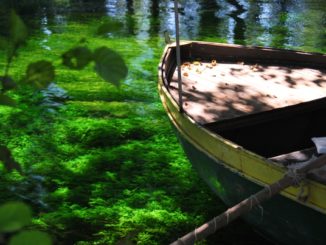
[August, 2011] We took a rowing boat at a place called Naum which is at the south end of Lake Ohrid, Macedonia. Here is the spring, whose water is flowing into the lake and a part…
