
Cuba
Located in the heart of the Caribbean, Cuba is a country that captivates visitors with its history, colonial architecture, vintage American cars, tropical beaches and vibrant culture shaped by music, dance and local traditions. Its colourful cities and relaxed atmosphere make the island one of the Caribbean’s most iconic destinations.
On Miranda Loves Travelling, this page brings together all our articles dedicated to this fascinating island, based entirely on our personal travel experiences. Here you will find cities, monuments, historic centres, beaches, restaurants, traditional food, photographs and practical travel tips to help you plan your trip.
Where is it?
Cuba is the largest island in the Caribbean, located between the Gulf of Mexico, the Caribbean Sea and the Atlantic Ocean. It lies south of Florida, west of Haiti and north of Jamaica, occupying a strategic position between North America and Central America.
What to see
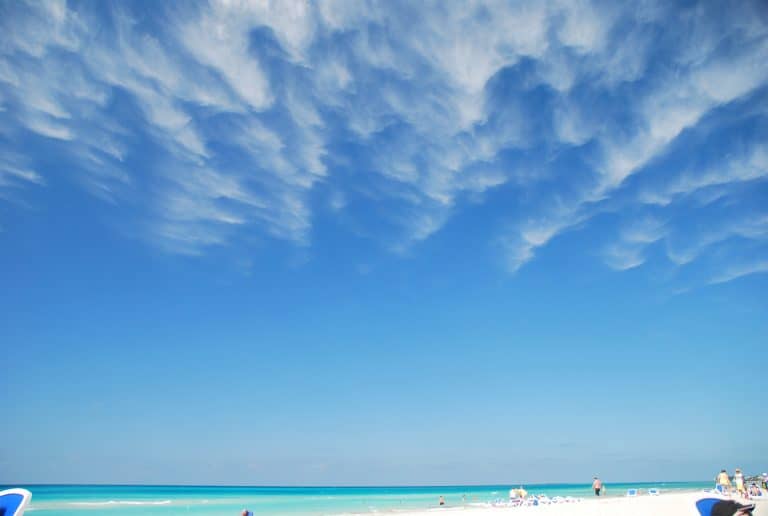
Cuba offers a unique historical and natural heritage. Havana fascinates visitors with its historic centre, colonial buildings, the Malecón waterfront and its famous vintage cars. Trinidad is one of the best-preserved colonial cities in the Caribbean, Viñales is renowned for its spectacular landscapes and tobacco plantations, while Varadero is famous for its long white-sand beaches.
In our articles, we describe the places we have personally visited, together with photographs and useful travel information.
The cities we have visited
Each Cuban city has its own unique character. Havana is the country’s historical and cultural heart, Trinidad preserves an extraordinary colonial atmosphere, Cienfuegos showcases elegant French influences, while Santiago de Cuba tells an important part of the island’s history and musical heritage.
In this section you will find all the cities featured on Miranda Loves Travelling, with monuments, attractions and our travel impressions.
Beaches, nature and tropical landscapes
Beyond its cities, Cuba offers spectacular beaches, turquoise waters, coral reefs and beautiful natural parks. Destinations such as Varadero, Cayo Coco, Cayo Santa María and Cayo Largo are famous for their crystal-clear sea, while the Viñales Valley offers completely different scenery with its distinctive limestone hills and lush countryside.
Culture and traditions
Cuban culture reflects the blend of Spanish, African and Caribbean influences. Music, dance, art, cigars, rum and a strong national identity are deeply rooted in everyday life, making the country one of the most culturally vibrant destinations in the world.
When to visit
Cuba can be visited throughout the year, although some seasons offer more favourable weather.
Spring
Spring brings pleasant temperatures and generally dry weather, making it ideal for exploring both cities and beaches.
Summer
Summer is hot and humid, perfect for enjoying the sea, although tropical showers may occur.
Autumn
Autumn remains warm but coincides with the Atlantic hurricane season, particularly between August and October.
Winter
Winter is considered one of the best times to visit Cuba thanks to its mild temperatures and lower rainfall.
How to get there
Cuba is connected with Europe, North America and Latin America through international airports such as Havana, Varadero, Holguín and Santiago de Cuba. Direct and connecting flights are available from many countries.
Getting around
Visitors can travel around Cuba using tourist buses, taxis, rental cars and domestic flights. The famous cayos are connected by causeways and organised transport services.
Traditional food
Cuban cuisine is simple yet full of flavour. Among its best-known dishes are ropa vieja, arroz congrí, lechón asado, yuca con mojo, tostones, fresh seafood, tropical fruits and traditional desserts. Cuban rum and cigars are also famous worldwide.
During our travels we tried different restaurants and local specialities, which we describe in the dedicated articles.
Restaurants we visited
Food is an important part of the travel experience. In our restaurant articles we share our impressions of the places we visited, the dishes we tried and the quality of the service.
Our photos
All the photographs published on Miranda Loves Travelling were taken during our own trips.
The gallery includes images of colonial cities, tropical beaches, vintage cars, lush landscapes, monuments and everyday scenes that showcase the beauty of Cuba.
Travel tips
Before travelling, it is useful to learn about the climate, currency, transport options and the island’s main attractions. Our articles offer practical advice based entirely on our personal experience.
Why visit it?
Cuba is a destination that combines history, culture, Caribbean beaches, music and a unique atmosphere found nowhere else. From colonial cities to tropical coastlines, every journey offers the chance to discover a country rich in charm, tradition and authenticity.
On this page you will find all the articles dedicated to Cuba published on Miranda Loves Travelling, helping you plan your itinerary.
| Cienfuegos | Havana | Rodas | Santa Clara | Topes de Collantes | Trinidad | Varadero |
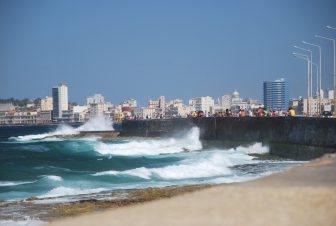
The last places we visited were Centro Habana and Malecon
[April 2010] The final day of our holiday in Cuba has arrived, which was an intense cross-cultural experience. The flight departed after 8 pm, so we had time t0 walk around Havana that day as…
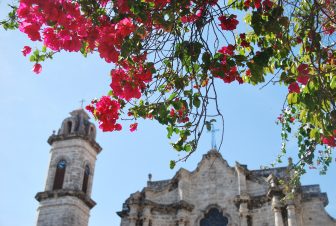
The historic hotel and old Havana
[April 2010] This is a continuation of our trip to Cuba. The next day, we left Varadero’s unrealistic blue sea and moved to Havana, where we had started our journey. The taxi driver who came…
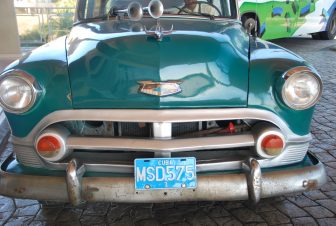
Ride a personal watercraft and a classic car at Varadero
[April 2010] On the second day in Varadero, Cuba, we first participated in an attraction called “Boat Adventure”. It’s a tour of the inland sea of the mangrove and a bit of the open…
