
Nicosa
Nicosia, Europe’s last divided capital
Nicosia is the capital of Cyprus and the only capital city in the world that remains divided. Located in the heart of the island, it reflects centuries of Greek, Turkish, Venetian and British influence. Walking through its historic streets reveals a fascinating blend of cultures, monuments and everyday life.
Although it is not a seaside destination, Nicosia offers visitors museums, historic neighbourhoods and important landmarks that provide a deeper understanding of Cyprus beyond its beaches.
What to see in Nicosia
The historic centre is enclosed by the impressive Venetian Walls, built during the sixteenth century and still remarkably well preserved.
Ledra Street is the city’s lively shopping street and leads to the Green Line crossing, where visitors can pass between the southern Republic of Cyprus and the northern part of the island.
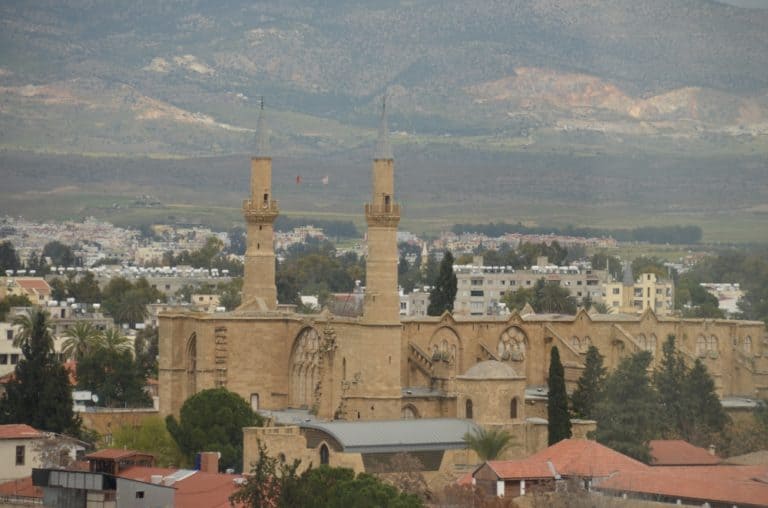
Other highlights include the Cyprus Museum, home to the island’s most important archaeological collection, the traditional Laiki Geitonia district with its cafés and artisan shops, and the impressive Selimiye Mosque, originally built as a Gothic cathedral before being converted into a mosque during the Ottoman period.
When to visit Nicosia
Spring and autumn offer the most pleasant temperatures for sightseeing. Summers are hot and dry, while winters are generally mild.
With its remarkable history and unique political situation, Nicosia is one of the most fascinating capitals in the Mediterranean.
St. John’s Cathedral and Archbishop’s Palace
[ Mar.2015 ] In Nicosia, the capital of Cyprus, we went into St. John’s Cathedral and saw the Archbishop’s Palace from outside. The Cathedral looks rather simple from the outside, but inside it was full of…
