
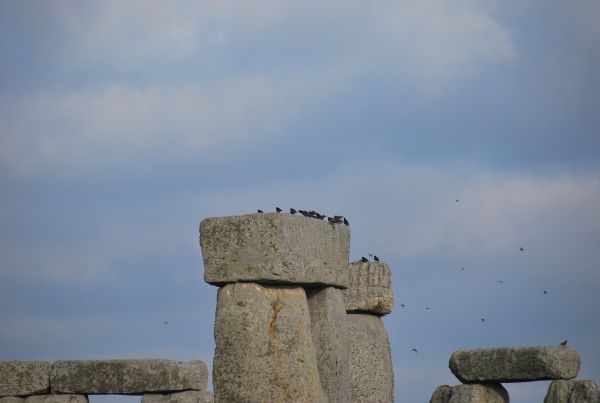
Stonehenge
Stonehenge, England’s world-famous prehistoric stone circle
Stonehenge is one of the world’s most iconic archaeological sites. Located in Wiltshire, southern England, this remarkable circle of massive standing stones was built more than 4,500 years ago and continues to fascinate historians, archaeologists and visitors alike. Recognised as a UNESCO World Heritage Site, Stonehenge is one of Europe’s most important prehistoric monuments and a must-see destination when travelling through Britain.
Constructed during the Neolithic and Bronze Age, its exact purpose remains uncertain. Many experts believe it served as a ceremonial, religious and astronomical site, carefully aligned with the movements of the sun during the solstices.
What to see at Stonehenge
The highlight is the extraordinary stone circle, whose enormous sarsen stones and smaller bluestones were transported over remarkable distances before being assembled with astonishing engineering precision.
A visit also includes the excellent Stonehenge Visitor Centre, featuring archaeological discoveries, interactive exhibitions and reconstructed Neolithic houses that help visitors understand how prehistoric communities lived and built this remarkable monument.
The surrounding UNESCO landscape contains numerous prehistoric burial mounds, ceremonial earthworks and ancient pathways, making the entire area one of Britain’s richest archaeological landscapes.
When to visit Stonehenge
Spring and summer offer pleasant weather and lush green countryside, while the Summer Solstice attracts thousands of visitors who gather to watch the sunrise over the stones. Autumn provides quieter conditions and beautiful rural scenery.
With its ancient mysteries, extraordinary history and unique setting, Stonehenge remains one of England’s most unforgettable landmarks.
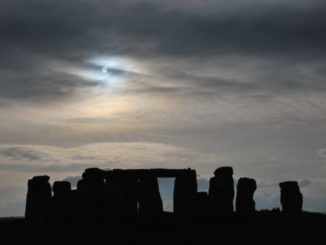
Well-known Stonehenge
[January, 2012] Our main purpose of joining the one day bus tour from London was to visit Stonehenge. It takes time and money to get here on your own using the public transport. There is…
