
Palanga
Palanga, Lithuania’s seaside resort on the Baltic coast
Palanga is Lithuania’s best-known seaside resort, located on the country’s Baltic coast and surrounded by sandy beaches, pine forests and impressive dunes. For more than a century it has been one of the favourite summer destinations for Lithuanians and visitors from across the Baltic region. Combining beautiful natural scenery with cultural attractions and a lively atmosphere, Palanga is the perfect place to experience Lithuania by the sea.
The town developed into a fashionable holiday resort during the late nineteenth century, thanks largely to the Tyszkiewicz family, who built elegant residences and the palace that now houses the famous Amber Museum. Today Palanga continues to attract visitors with its relaxed coastal charm.
What to see in Palanga
The town’s most iconic landmark is the Palanga Pier, stretching more than 450 metres into the Baltic Sea. It is especially popular at sunset, when spectacular views can be enjoyed over the coastline.
Another highlight is the Palanga Amber Museum, located inside the beautiful Tyszkiewicz Palace and surrounded by botanical gardens. The museum displays thousands of pieces of Baltic amber, one of Lithuania’s most famous natural treasures.
Visitors can also relax on the wide sandy beaches, explore walking trails through the dunes and pine forests, or enjoy the lively atmosphere of Jono Basanavičius Street, filled with cafés, restaurants and shops during the summer season.
When to visit Palanga
Summer is the ideal season to enjoy the beaches, festivals and pleasant Baltic climate. Spring and early autumn offer quieter surroundings and comfortable temperatures for exploring the coastline.
With its beautiful beaches, fascinating amber heritage and peaceful natural landscapes, Palanga is one of Lithuania’s finest coastal destinations.
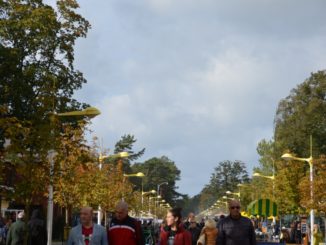
The street to the sea
[ Sept.2014 ] This is a photo of Basanaviciaus Street in Palanga, Lithuania. It is a car free street and there were many shops, booths and restaurants on both sides. Even on the day at…
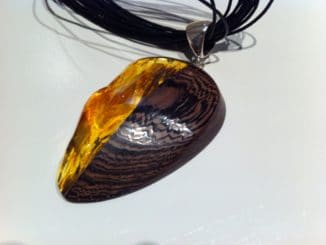
Gintaro
[ Sept.2014 ] This is a pendant I bought from a man who had a stall in Basanaviciaus Street in Palanga in Lithuania. He made it himself using the local amber and African wood ….
