
Sarajevo
Sarajevo, a city where East meets West
Sarajevo is the capital of Bosnia and Herzegovina and one of the Balkans’ most fascinating cities. Surrounded by mountains and crossed by the Miljacka River, it reflects the many cultures that have shaped its history. Ottoman mosques, Orthodox and Catholic churches, synagogues and elegant Austro-Hungarian buildings can all be found within a relatively small area.
The historic centre preserves Sarajevo’s strong Ottoman heritage, while just a short walk away the architecture changes dramatically, revealing the influence of Central Europe. The city also played an important role in twentieth-century history, from the 1914 assassination that preceded the First World War to the siege of Sarajevo during the Bosnian War in the 1990s.
What to see in Sarajevo
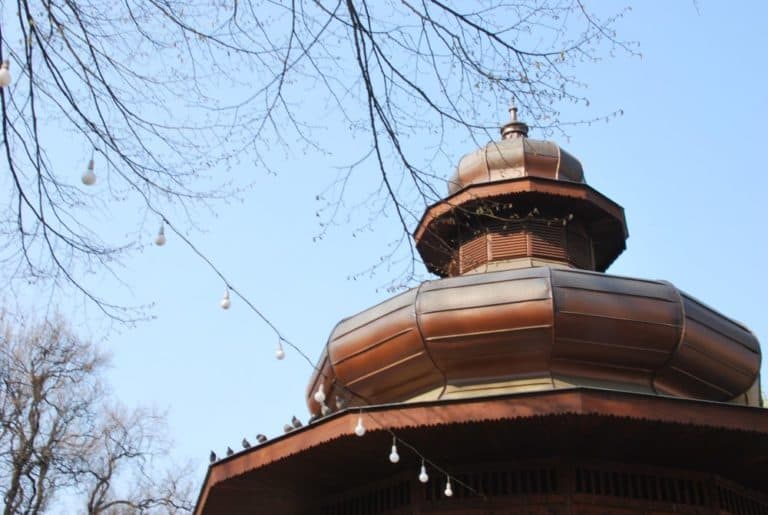
The heart of the city is Baščaršija, the historic Ottoman bazaar filled with narrow streets, traditional workshops and cafés. Its best-known landmark is the distinctive Sebilj Fountain.
Nearby stands the Gazi Husrev-beg Mosque, one of Sarajevo’s most important examples of Ottoman architecture. Walking towards the Austro-Hungarian district leads to the Latin Bridge, close to the site where Archduke Franz Ferdinand was assassinated in 1914.
Another major landmark is Vijećnica, Sarajevo’s striking Moorish Revival City Hall overlooking the Miljacka River.
To understand the city’s more recent history, visitors can explore the Tunnel of Hope, which provided a vital connection with territory outside the besieged city during the 1990s.
When to visit Sarajevo
Spring and early autumn provide pleasant temperatures for exploring on foot. Summer is lively and busy, while winter transforms Sarajevo and its surrounding mountains with snow.
With its remarkable mixture of cultures, architecture and history, Sarajevo is one of the most distinctive destinations in the Balkans.
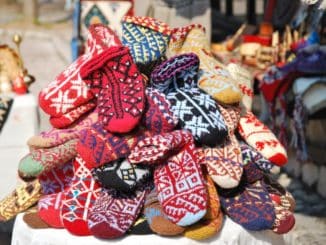
Very nice hand knitted goods
[ Apr.2009 ] There are lots of nice crafts in Bosnia and Herzegovina. Hand knitted goods are one example. The traditional colourful socks are very pretty as you can see in the photo, but I…
