
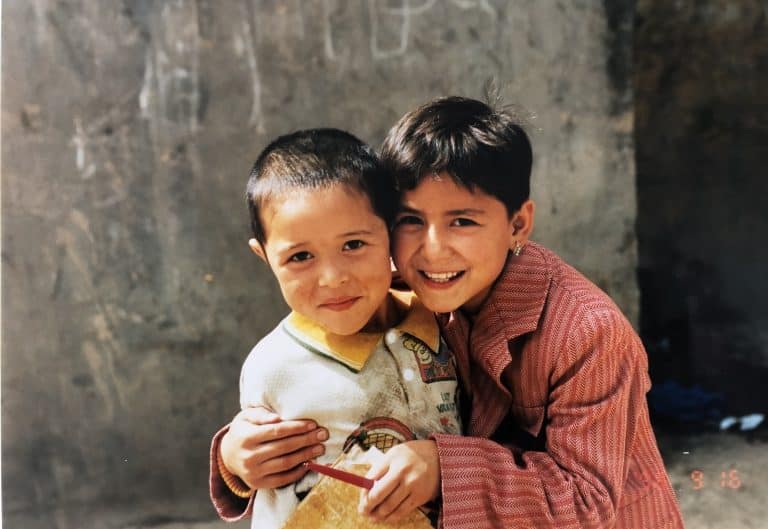
Kashgar
Kashgar, the legendary Silk Road city in western China
Kashgar is one of the oldest and most fascinating cities in western China. Located in the Xinjiang Uyghur Autonomous Region, close to the borders with Kyrgyzstan, Tajikistan and Pakistan, it has been a major crossroads of the Silk Road for more than two thousand years. The city blends Uyghur traditions, Islamic architecture and Central Asian influences, creating a cultural atmosphere unlike anywhere else in China.
Walking through Kashgar’s historic streets offers a unique opportunity to experience ancient trading traditions, vibrant markets and remarkable cultural heritage.
What to see in Kashgar
The highlight is the Old City, a maze of narrow streets lined with traditional mud-brick houses, artisan workshops and lively neighbourhoods that preserve the city’s historic character.
Another must-see is the magnificent Id Kah Mosque, the largest mosque in China and the spiritual heart of the Uyghur community. Visitors should also explore the famous Kashgar Grand Bazaar, where colourful stalls sell carpets, spices, textiles, jewellery and handicrafts from across Central Asia.
Beyond the city, spectacular mountain landscapes lead towards the Pamir Plateau and the Karakoram Highway, making Kashgar an excellent starting point for unforgettable journeys through one of Asia’s most dramatic regions.
When to visit Kashgar
Spring and autumn provide comfortable temperatures and clear skies, making them the best seasons for sightseeing. Summer is lively and warm, while winter is quieter and considerably colder.
With its Silk Road history, rich cultural heritage and unforgettable atmosphere, Kashgar remains one of China’s most extraordinary destinations.
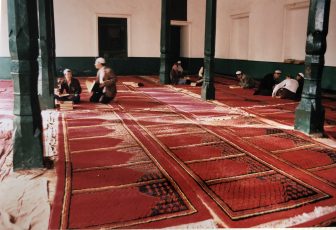
to Kashgar
[ Sept.1996 ] On the last day in Urumchi, the capital city in Xinjiang in China, we went back to the market and ate lamb meat buns and a huge soup with meatballs and dumplings….
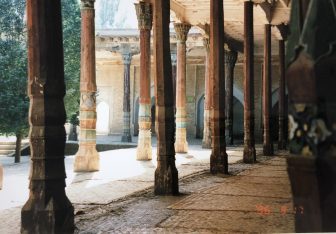
enjoyed Kashgar one more day
[ Sept.1996 ] On the third day in Kashgar in the western part in Xinjiang in China, we rented a bicycle and went to Afaq Khoja Mausoleum. I struggled to pedal on the slope with…
