[Dec. 2025] During our year-end trip to Morocco, after leaving Tangier, we headed to Tétouan.
Our car was stopped by the police twice along the way.
Apparently, they randomly stop cars and check them all over the country.
There’s a rule that even in the back seat, you have to wear your seatbelt outside of towns, and if you don’t, you’ll be fined 300 dirhams (approximately 28 euros).
That’s why we wore the seatbelt for the first time.
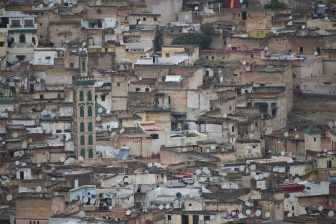
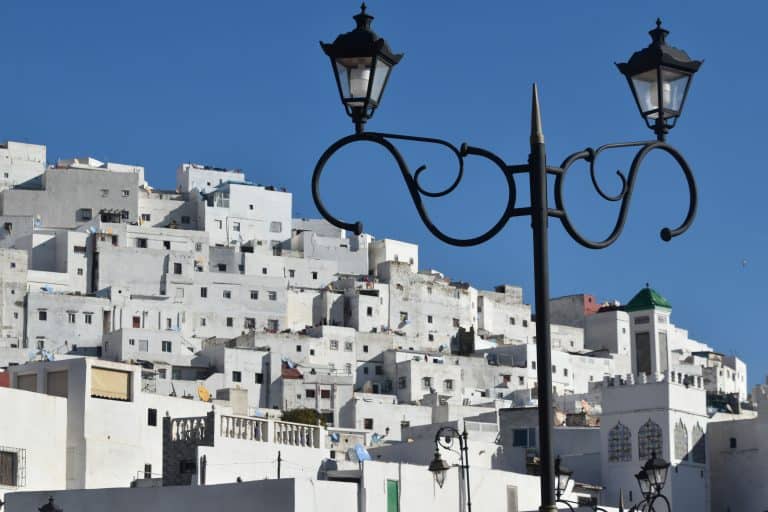
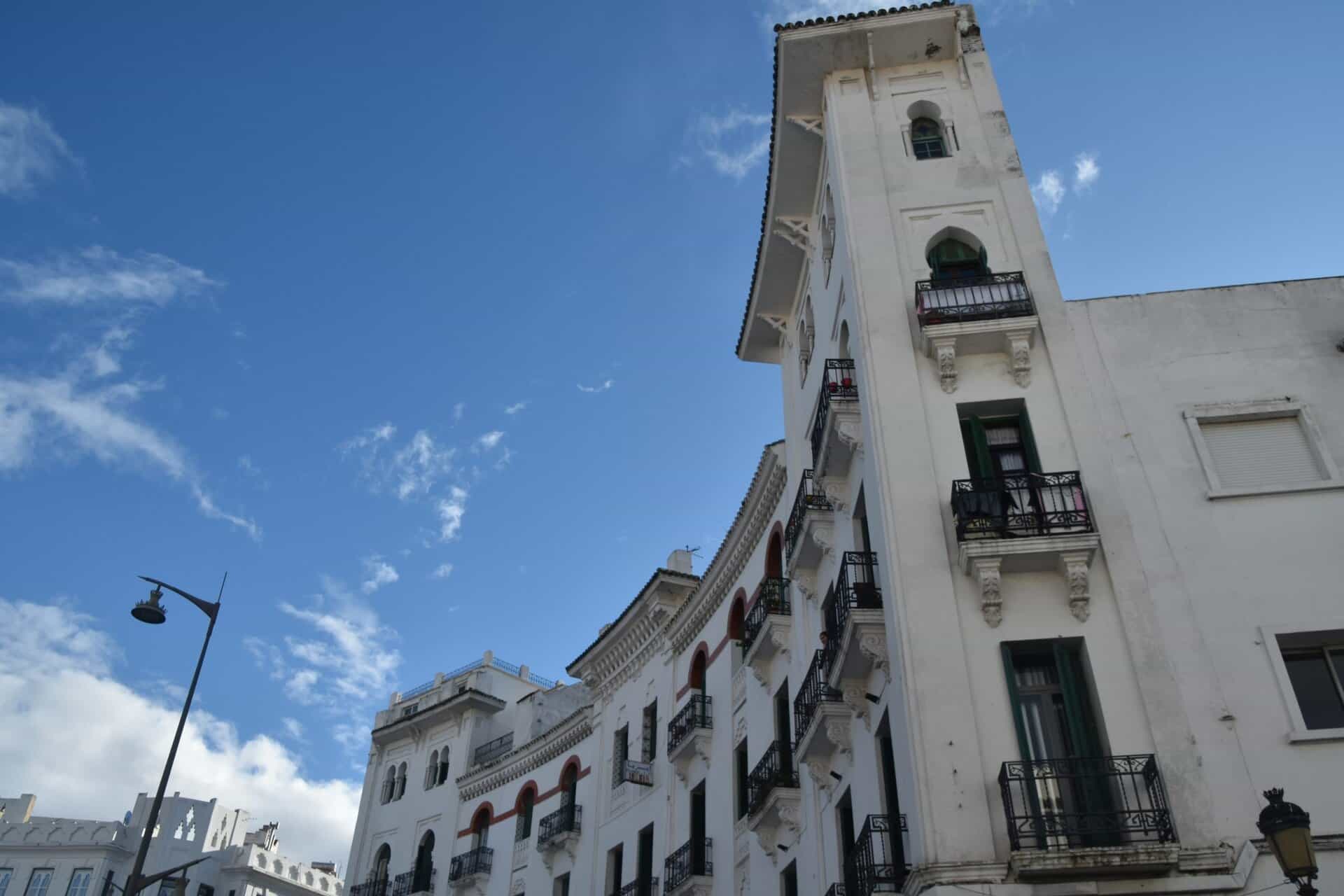
Tétouan, upon arrival, is a dazzling city with rows of white-walled buildings.
It’s said to be a city built by Muslims and Jews who were driven out of Spain during the Reconquista of 1492, and perhaps because of that, it reminds me of Andalusia in Spain.
We were dropped off in front of a yellow Christian church in a corner of a large roundabout, and were given free time.
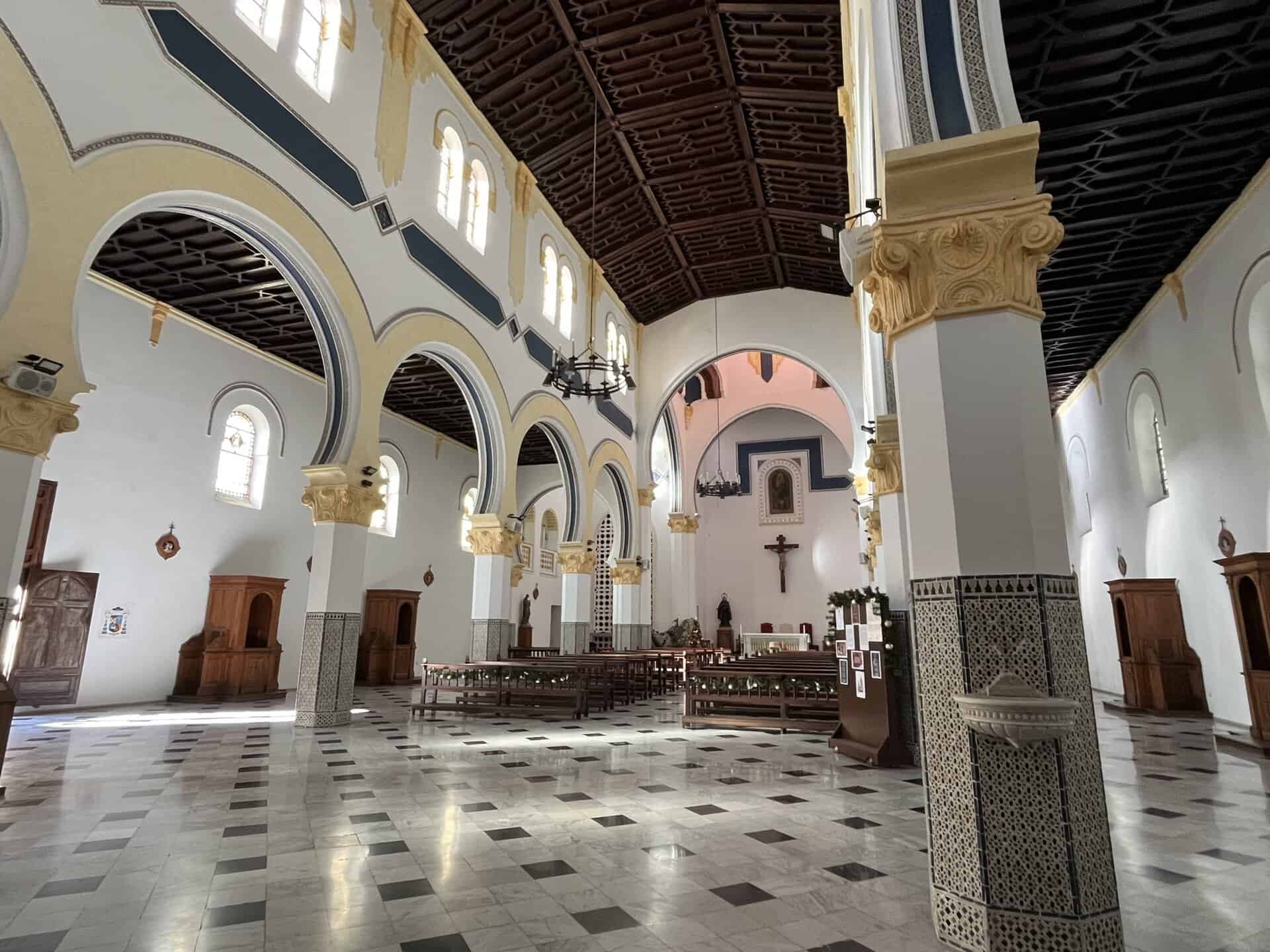
First, we went inside the church, Église Notre-Dame-des-Victoires de Tétouan.
Apparently the church was built in the early to mid-20th century, when Morocco was a French and Spanish protectorate.
It was a simple and bright church, and there was no one else there besides us.
My husband said, “I like how bright it is,” but I felt somewhat too empty.
And it happened to be Christmas Day.
Although Christmas is completely ignored in Morocco, I think it was good that we were able to enter the church on this day.
Here, I’ll compare it to the past again: when I travelled around this country 30 years ago, Christmas decorations were seen everywhere.
I remember thinking that the way they were enjoying it as a festival, without any religious significance, was similar to Japan.
But now, that’s completely disappeared.
It seems they’ve adopted a deliberate policy to strengthen the Islamic influence, like the alcohol restrictions.
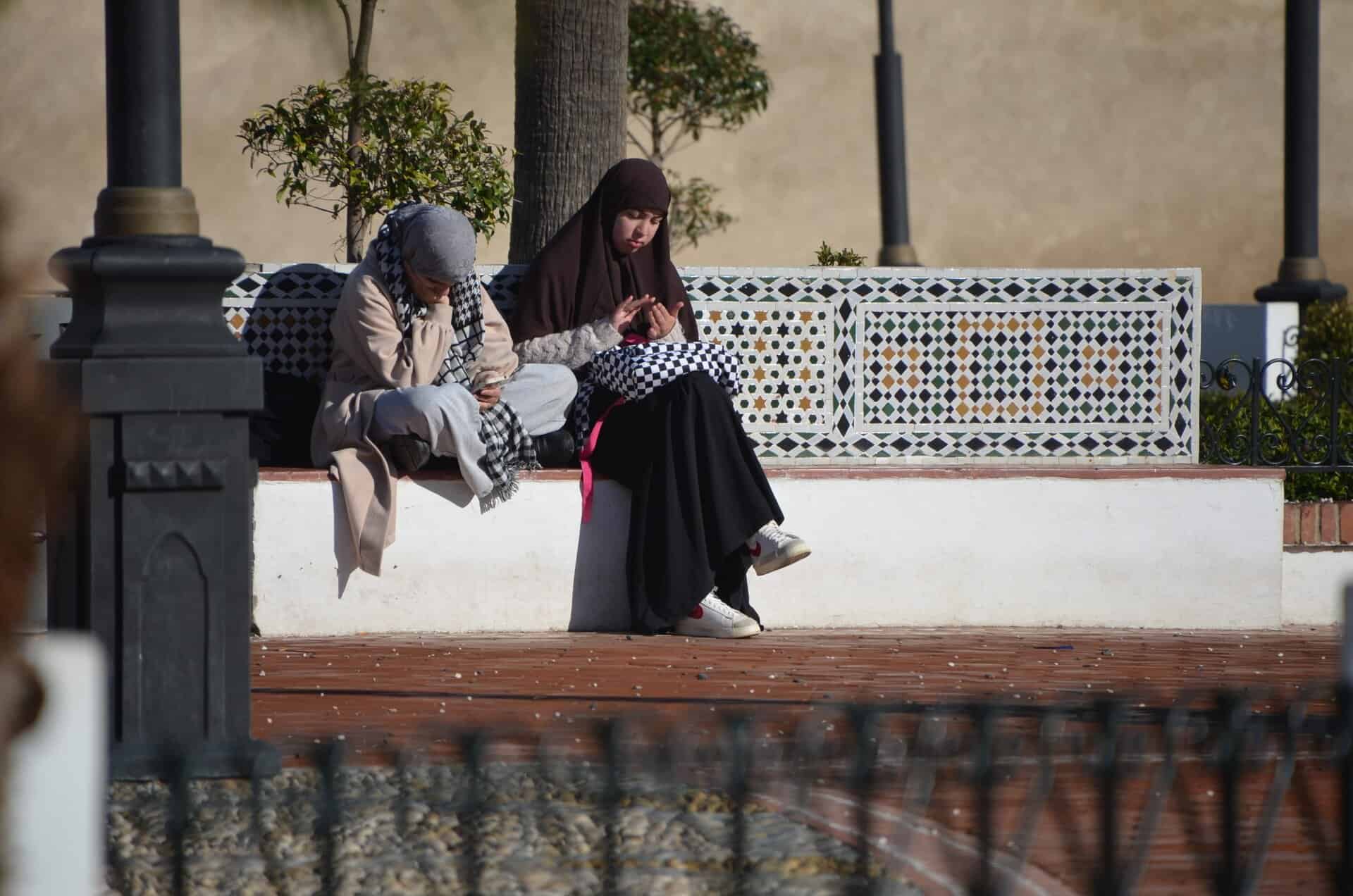
In fact, in provincial cities like Tétouan, almost all women were wearing hijabs (scarves).
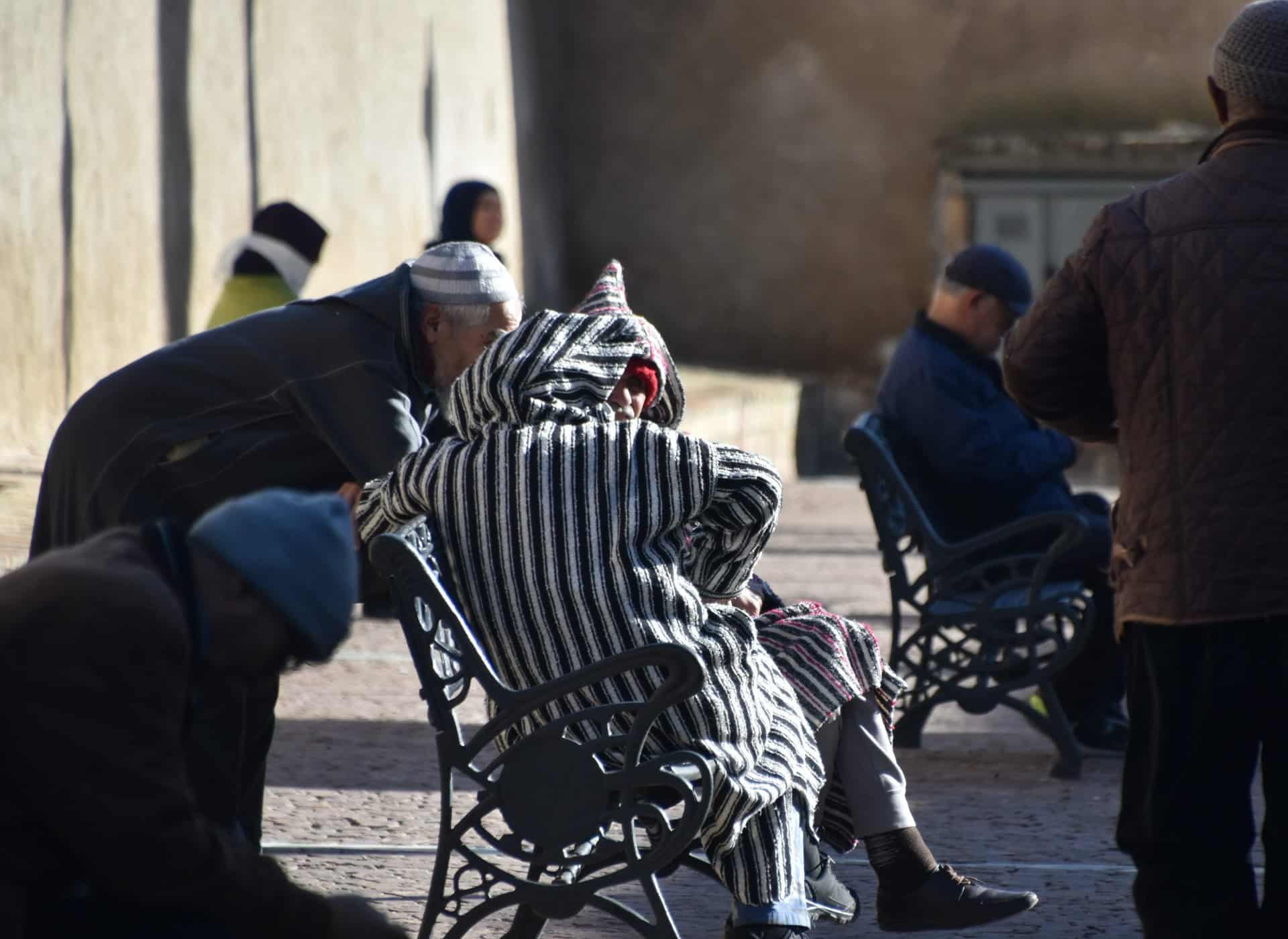
We walked as instructed by our driver, Youssuf, to a well-maintained square.
I think it was called El Feddan Park.
From there, we had a beautiful view of the stacks of white houses.
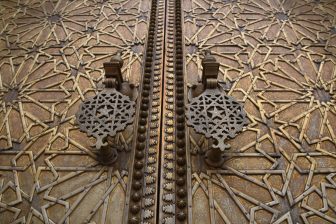
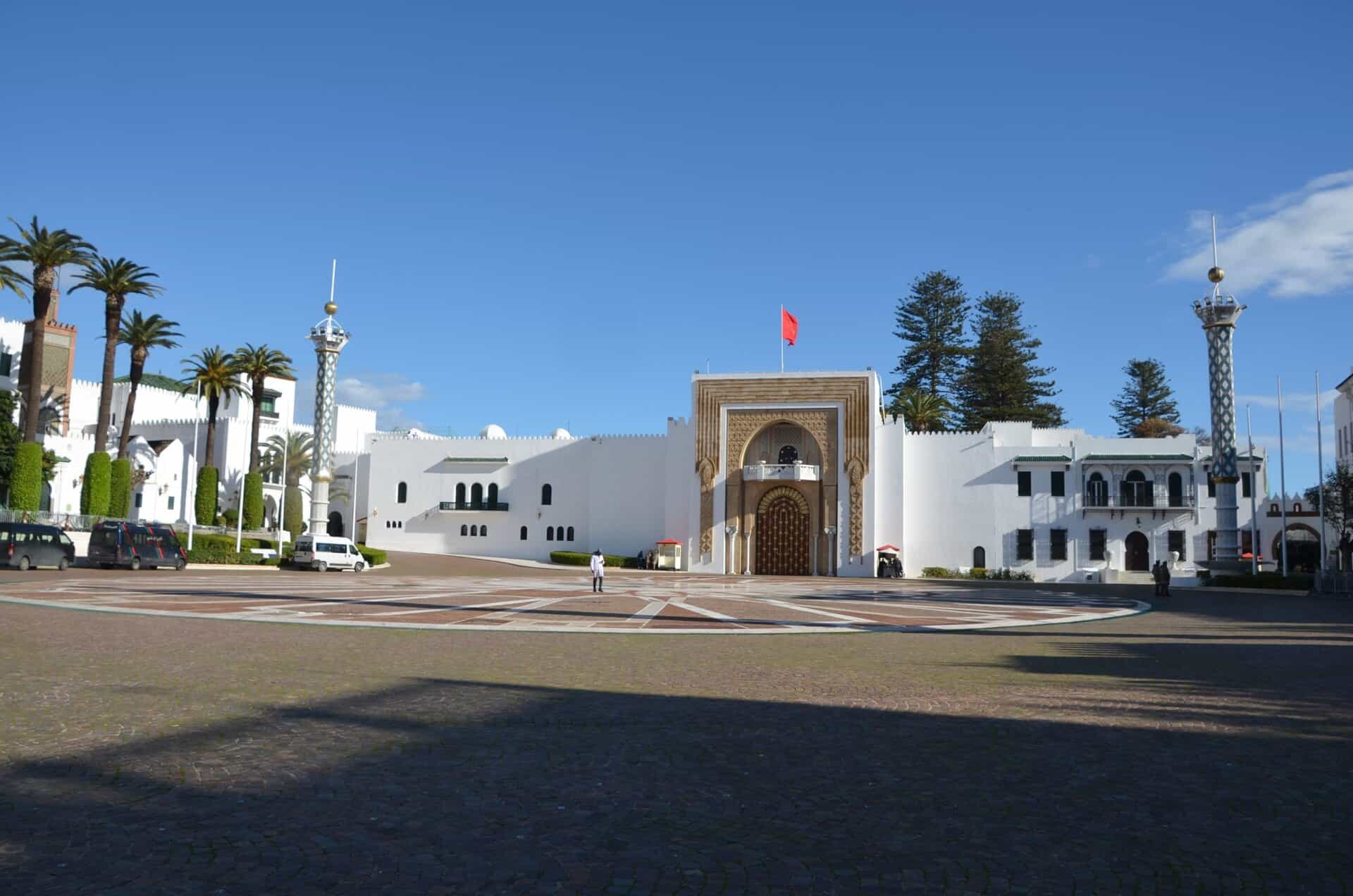
Then, we looked at the Royal Palace from outside, and went into a coffee shop to use the toilet and had biscuits and coffee.
Up until then, we’d only been drinking mint tea, but the coffee here was good.
That’s it; our visit to Tetouan was just a quick stroll.
There were a few tourists, but it was nice to catch a glimpse of a typical mid-sized city where ordinary people go about their daily lives.
However, it’s a shame we couldn’t wander into the medina (old city), which is a World Heritage Site.
Perhaps it is the best approach to leave it at a moderate level, leaving you thinking, “I hope I can go again someday.”