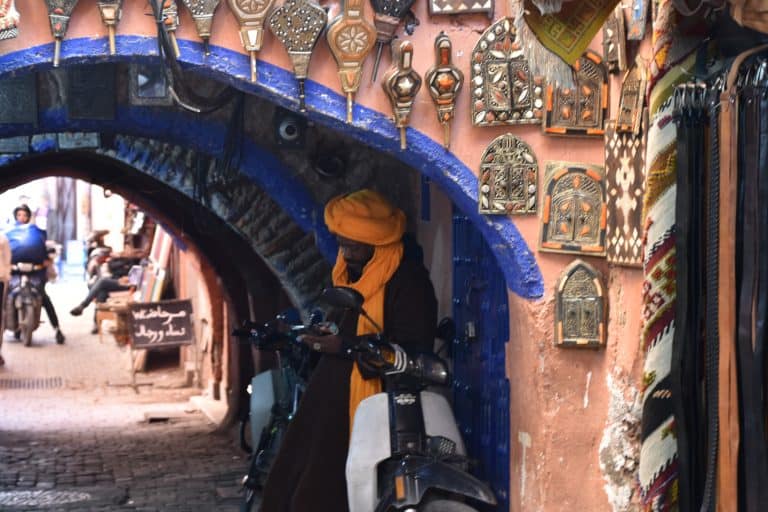
[Dec. 2025] After leaving the Bahia Palace on our walking tour in Marrakesh, Morocco, we walked through the bustling souk for a while.
According to our guide, Youssuf, the souk used to be clearly divided into areas such as hardware and leather, but now, because tourist-oriented goods take priority, everything is mixed together.
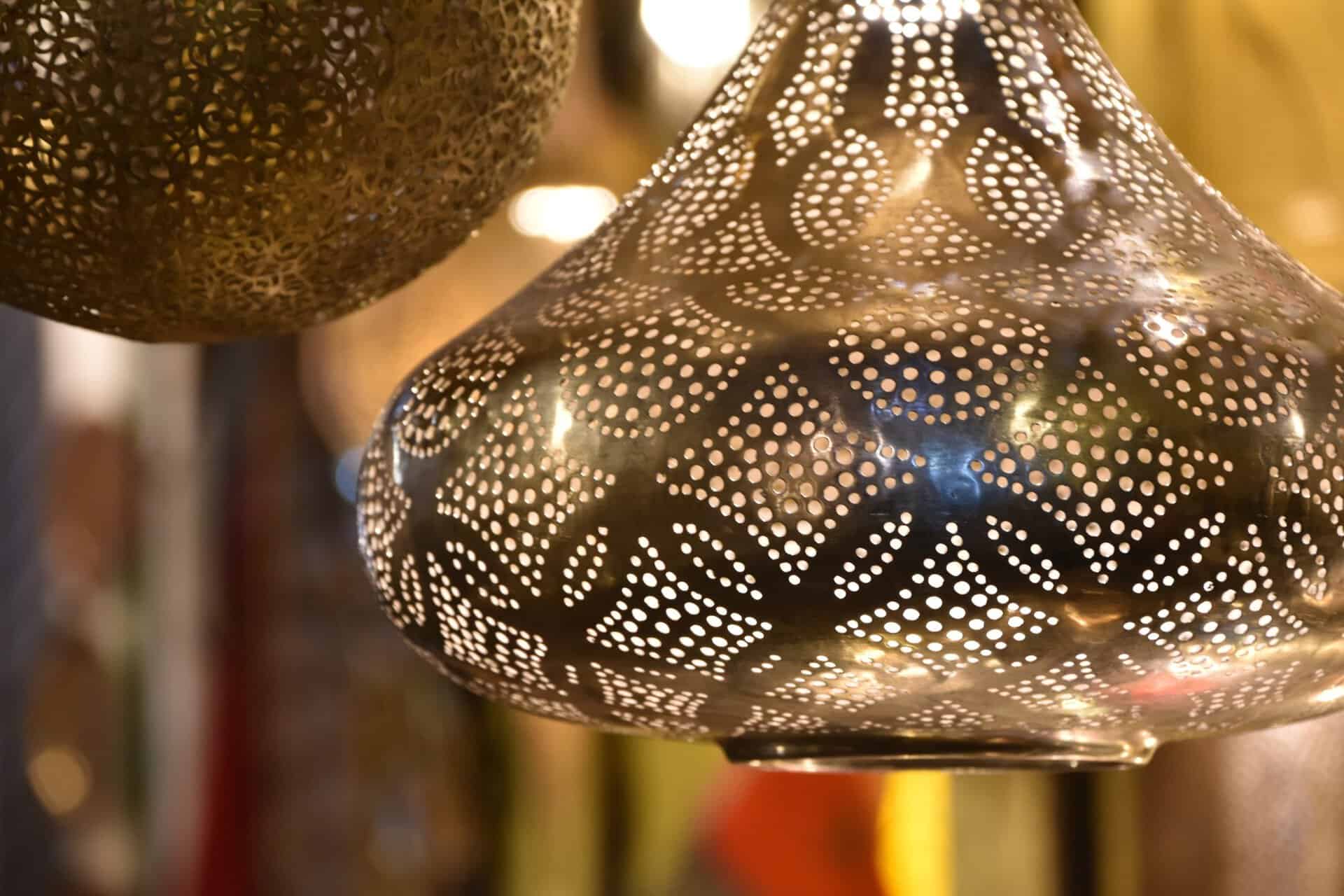
And most of the goods are now made elsewhere and brought in for sale.
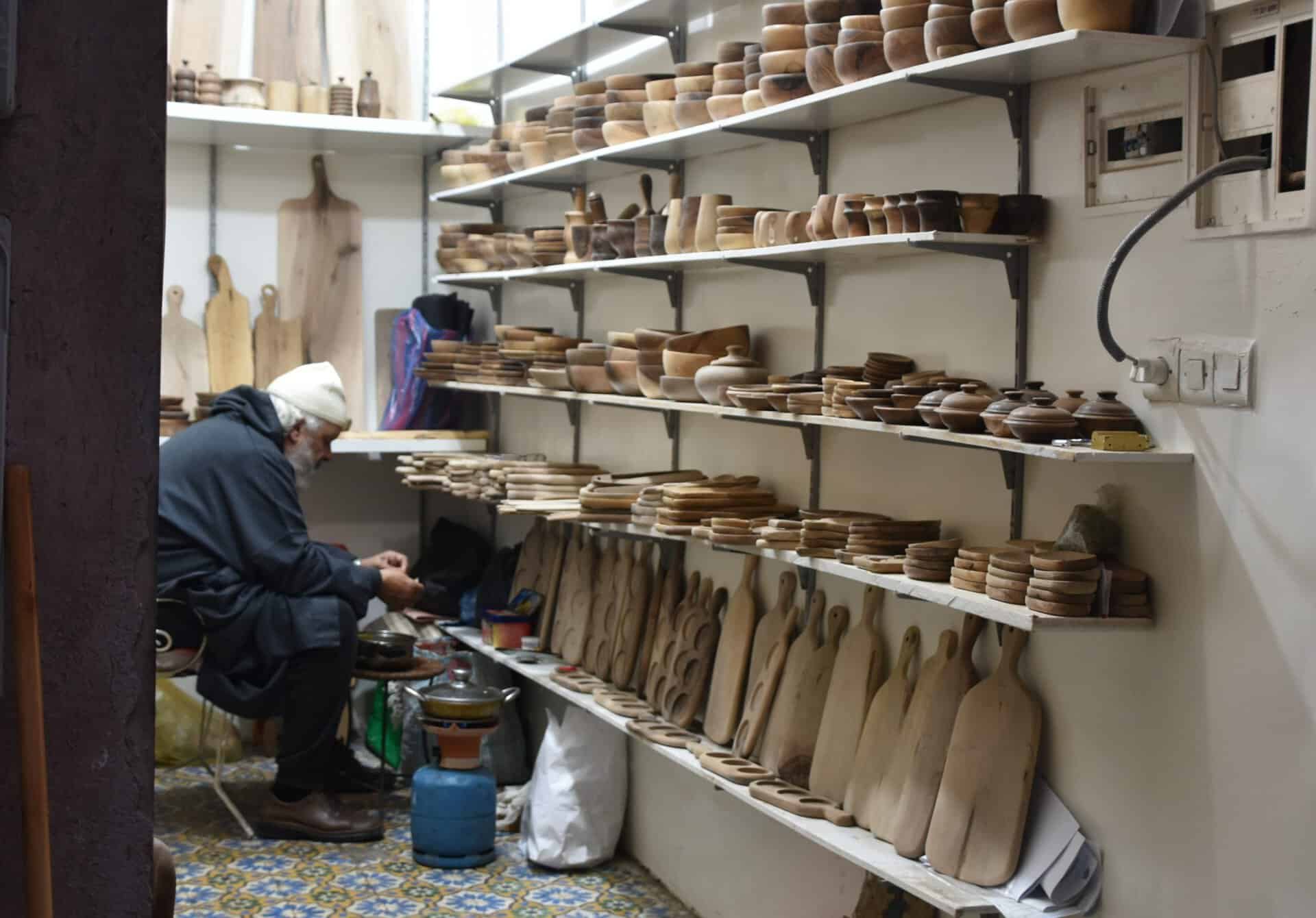
Although there are still some people working in the shops.
He warned us that there are a lot of cheap imported goods mixed in, so we need to be careful when shopping.
The reason why so many shops don’t go bankrupt is because many of the shopkeepers have other jobs.
For example, he said it’s common for civil servants to finish their regular work hours and then come to their family’s shop to mind it.
These people traditionally live in large houses in the countryside outside Marrakesh, with their entire families living together.
He said the houses get bigger because they extend to them as the number of children increases.
They used to have large families, but recently, with modernization, the number of children has decreased.
I often saw items embroidered with “Habibi” among the souvenirs, so I asked Youssuf about it, and he said it’s a word a wife uses to affectionately call her husband.
I had seen this word often in novels, so it made sense.
Perhaps it’s like “darling” in the UK or “amore” in Italy?
Apparently, husbands call their wives “Habibti,” but I didn’t see any embroidery of that.
Incidentally, this is Arabic.
According to Youssuf, the Arabic spoken in the Middle East, such as the Gulf region, is quite different from the Arabic spoken in Morocco.
He said he speaks English with tourists from the Middle East.
He, the driver Youssuf, and the guide we met in Fes were all Berber.
They also speak Arabic, but their native language is Berber.
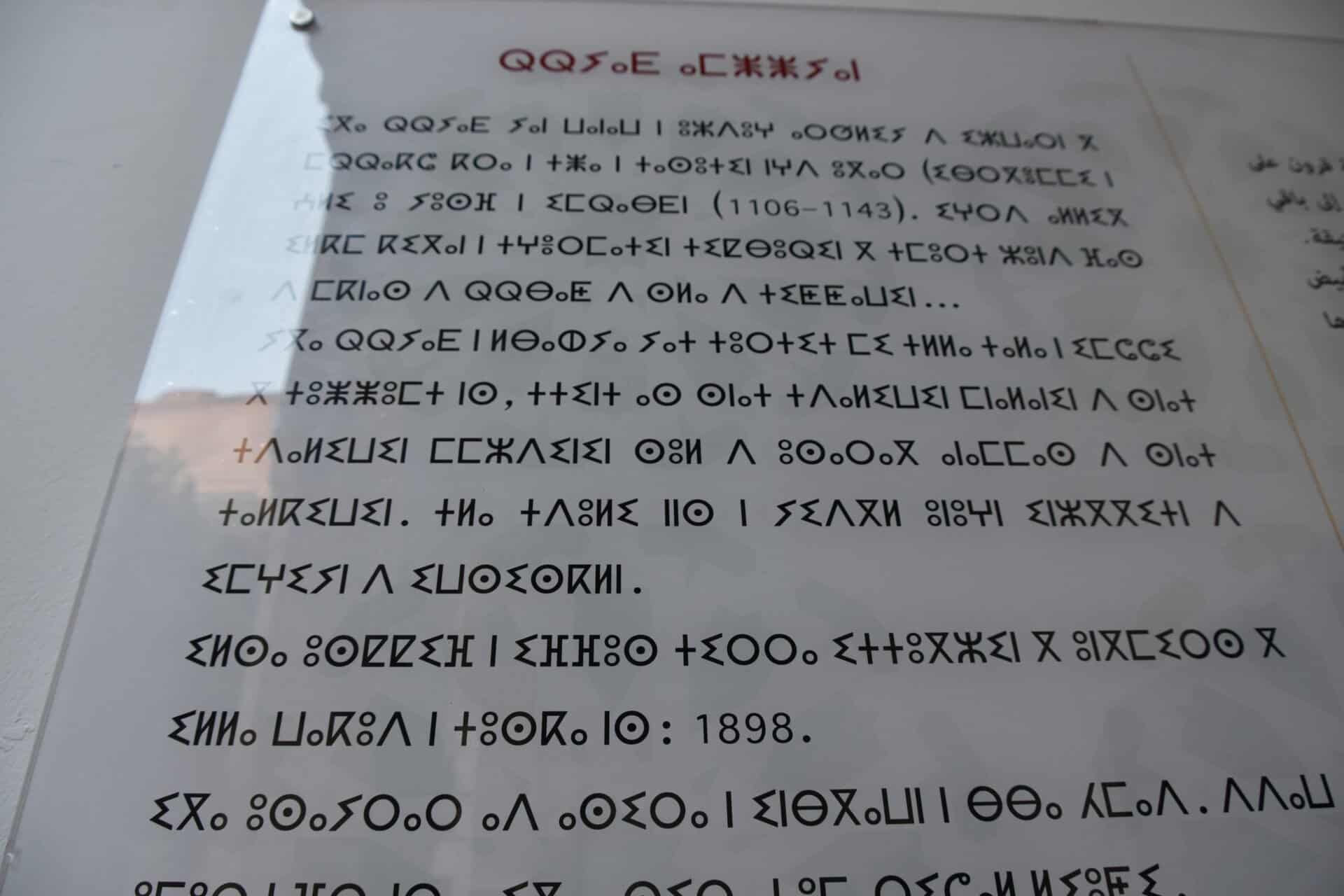
And the Berber script is so cute, almost like symbols.
There are apparently 33 letters, but it was only officially introduced into school education in 2021, quite recently.
This guide, Youssuf, and the guide in Fes, Hassan, said they could read it, but the driver Youssuf and the guide in Tangier said they couldn’t.
Perhaps it’s a difference in education level.
While walking through the souk, we came across a section where the shopkeepers were eating lunch.
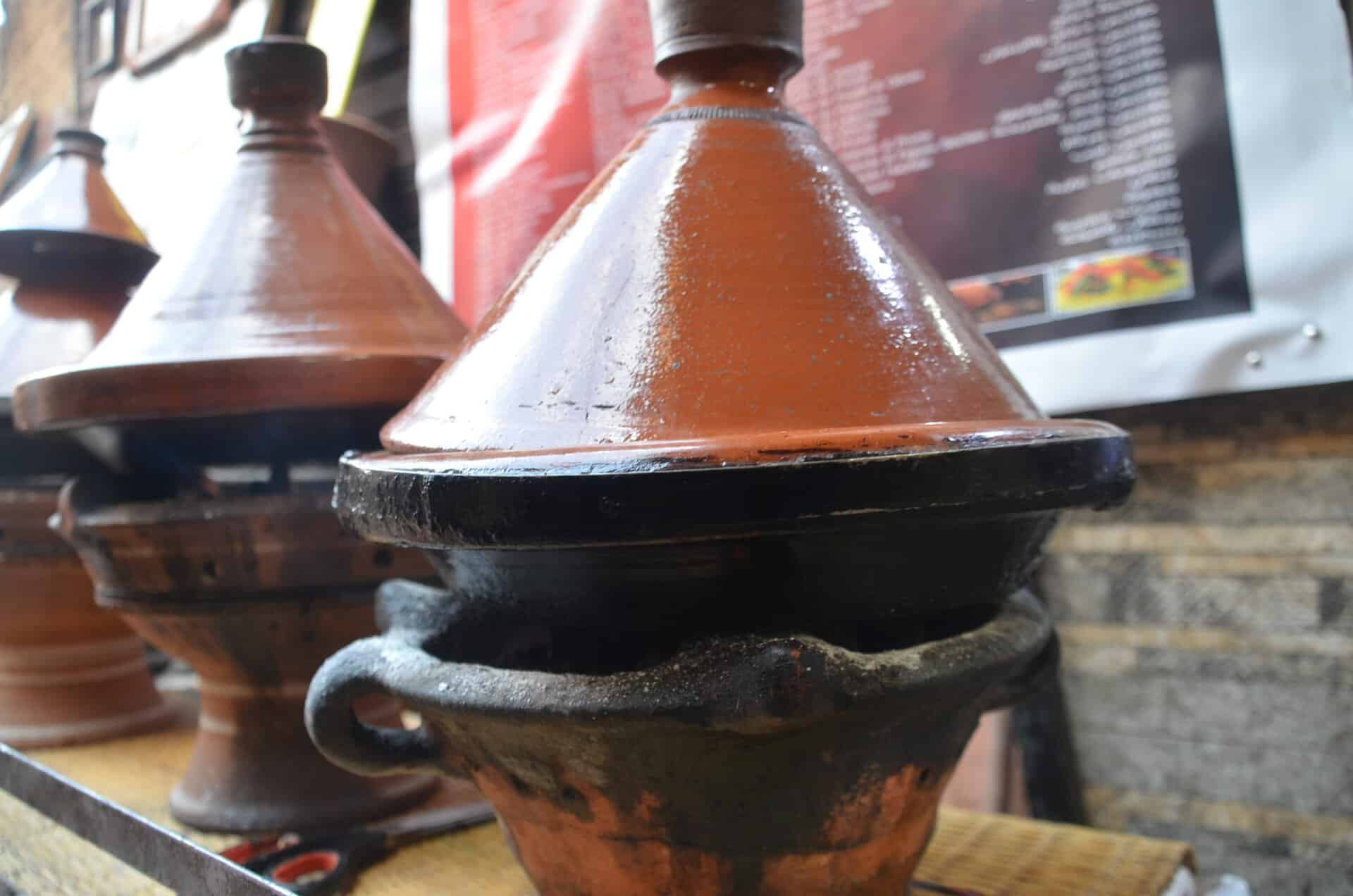
Many tagine pots were simmering over charcoal.
I thought to myself, this must be where the food tastes best.
There was also a saying that there was always a bakery next to a hammam.
Apparently, they shared a common passion for each other.