[July 2026] During our summer holiday in the Apulia region of southern Italy, we visited the towns of Maglie and Otranto the following day.
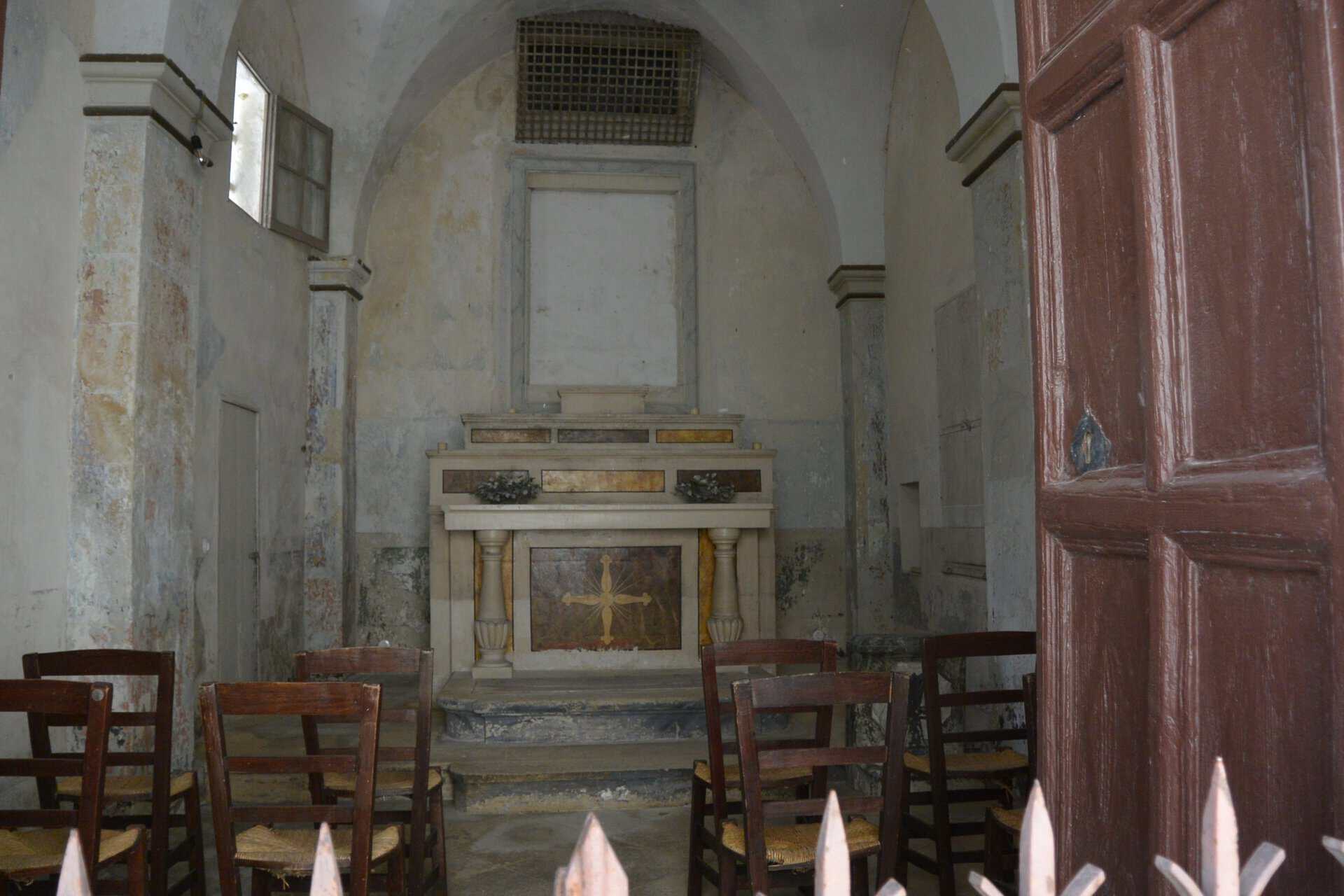
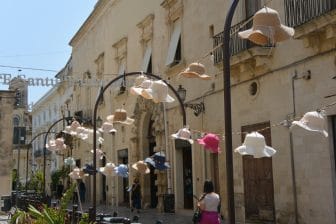
We stopped in Maglie because we had read that it featured a townscape with the Baroque style characteristic of the region, though, to be honest, nothing there particularly caught our eye.
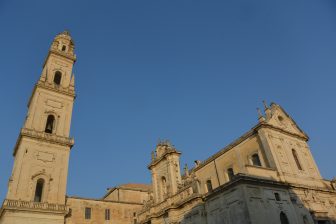
After visiting Maglie’s cathedral (Chiesa della Presentazione del Signore)—which was quite impressive for a town with a population of only around 13,000—we enjoyed a stroll through the town, and it was then that we came across a tiny, memorable chapel.
My husband overheard a passerby explaining to their companion, “This is a private chapel; there are many like it scattered throughout the town.”
The local people must be deeply religious.
Afterward, we headed to Otranto.
This was my third visit to Otranto, but when I looked up the date of my last trip, I was surprised to find it had been back in 2013.
The other day, a friend in Milan remarked, “The mosaics in the Otranto church are amazing, aren’t they?” and I suddenly realised I had never actually seen them, which prompted me to visit this time.
The church in question is the *Cattedrale di Santa Maria Annunziata*, commonly known as the Otranto Cathedral.
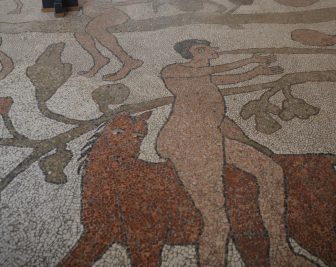
The entire floor is indeed covered in mosaics; apparently, they depict scenes from the Old Testament and various legends, created by the 12th-century monk Pantaleone.
Visually, the imagery didn’t feel overly religious; it was fascinating to see so many scenes from mythology and the daily lives of ordinary people.
There were barriers in place to prevent people from walking on the artwork.
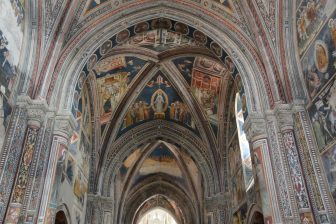
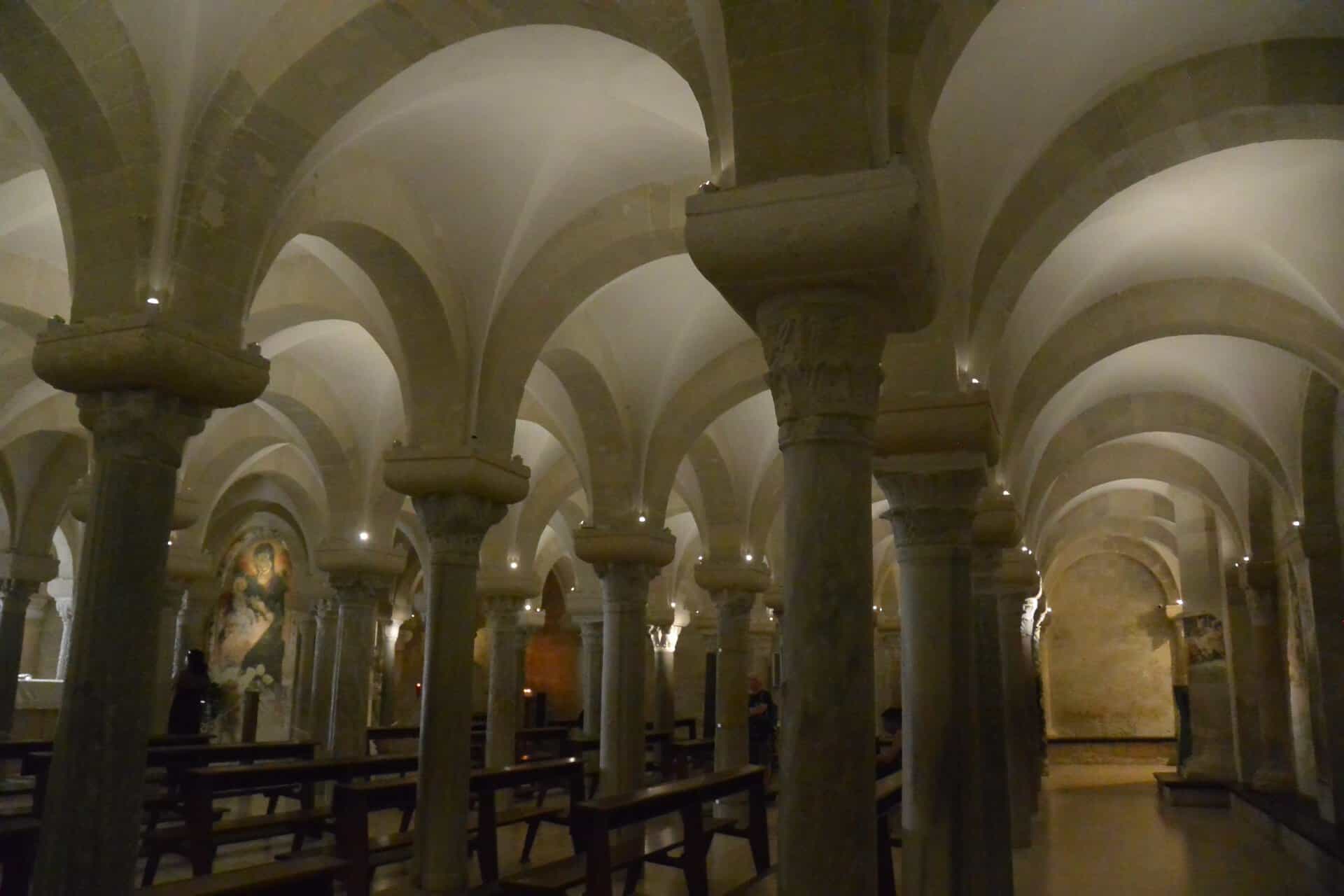
When we descended into the crypt, I found a forest of slender columns and patches of surviving frescoes—a style I personally love.
During a tour in Lecce the following day, we learned that the columns here were brought from various locations—making each one unique and full of character—and seeing them in person, I found that to be absolutely true.
Each column seemed to stand there bearing the weight of history.
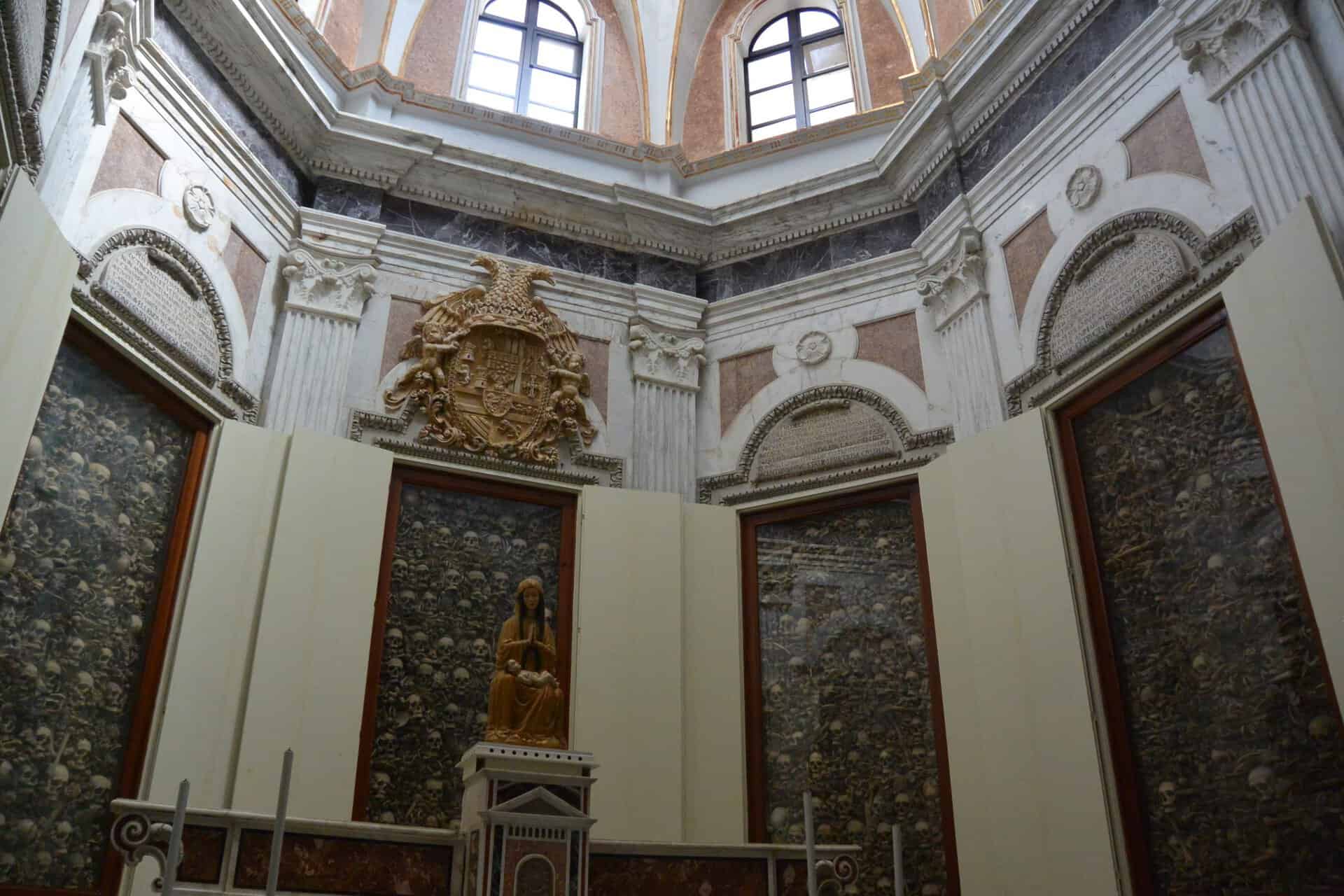
When we climbed the stairs on the opposite side of the crypt, we found a chapel right at the top.
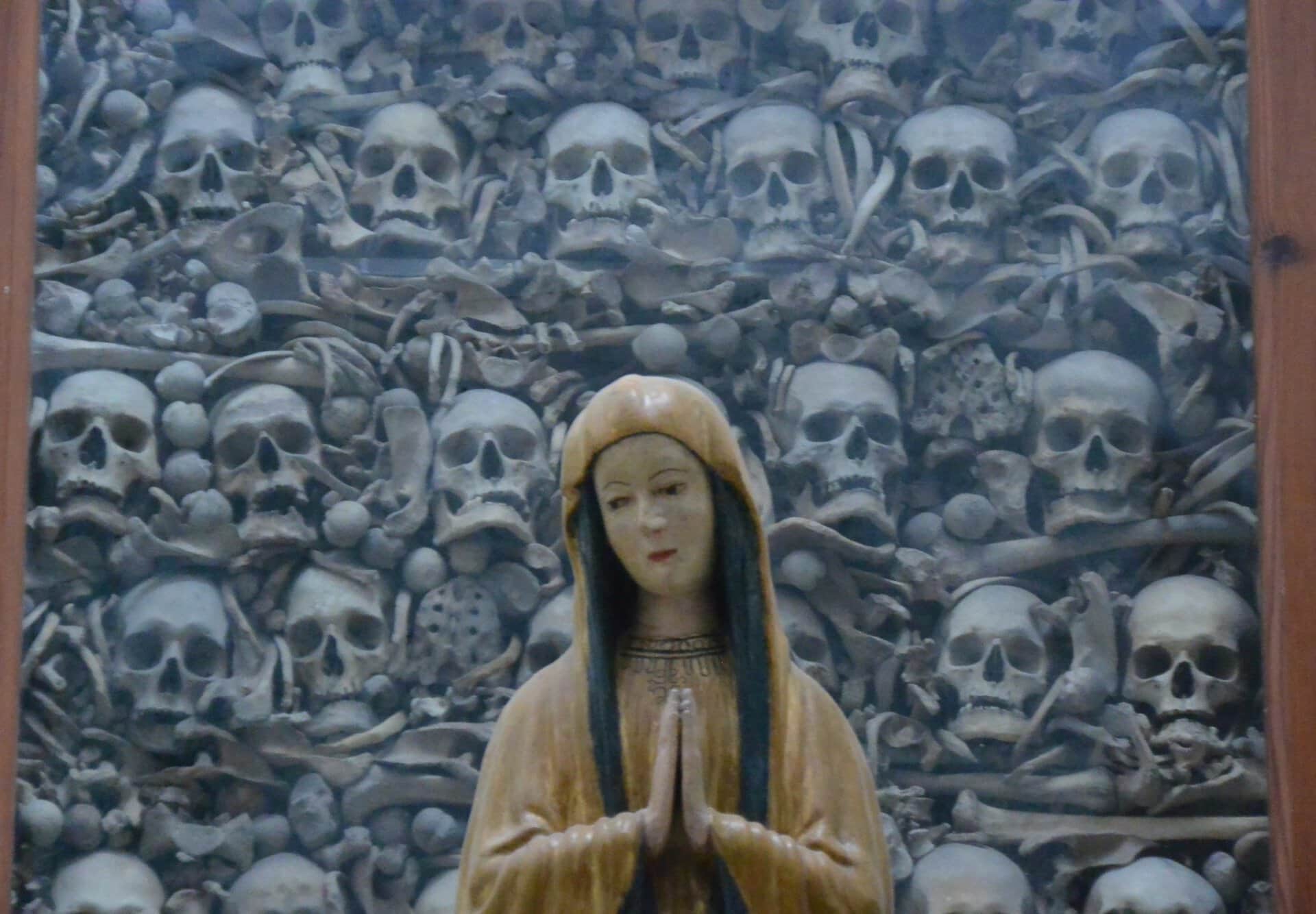
I was stunned by what I saw when I entered.
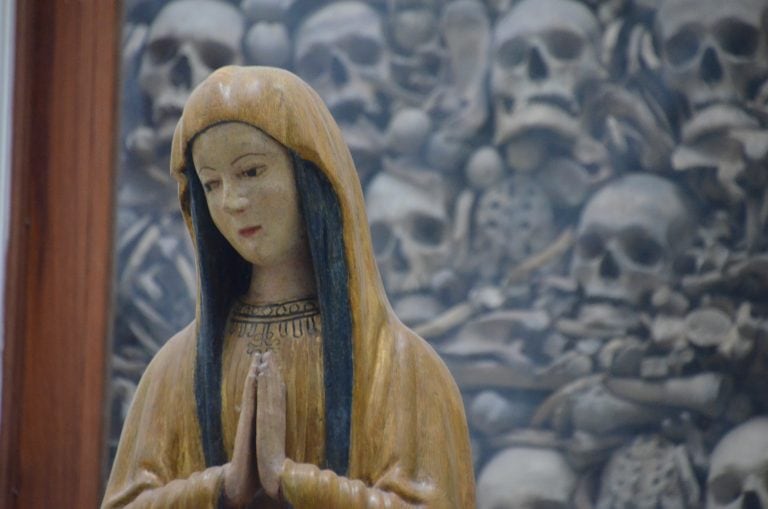
Rows upon rows of bones were lined up on a shelf behind the statue of the Virgin Mary at the front.
It was completely unexpected, and I was truly shocked.
In 1480, when the Ottoman Turks attacked with a fleet of 150 ships, they rounded up the male residents aged 15 and older and demanded they convert.
About 800 men who refused to convert were beheaded, and their remains are what lie lined up here.
The stone block used for the beheadings was also enshrined there.
I wondered if anyone had survived by agreeing to convert, so I asked AI; apparently, there were some who did.
Furthermore, the women and boys under 15 from the families of the executed men were taken away by the Turkish forces.
After being forced to work as slaves, they were eventually assimilated into Turkish society and converted.
It is a tragic story.
Come to think of it, the place where we stayed on our previous visit had originally been the home of a local nobleman who lost his life during that Turkish invasion.