[July 2026] Continuing our tour of churches in Lecce, in the Puglia region of Southern Italy.
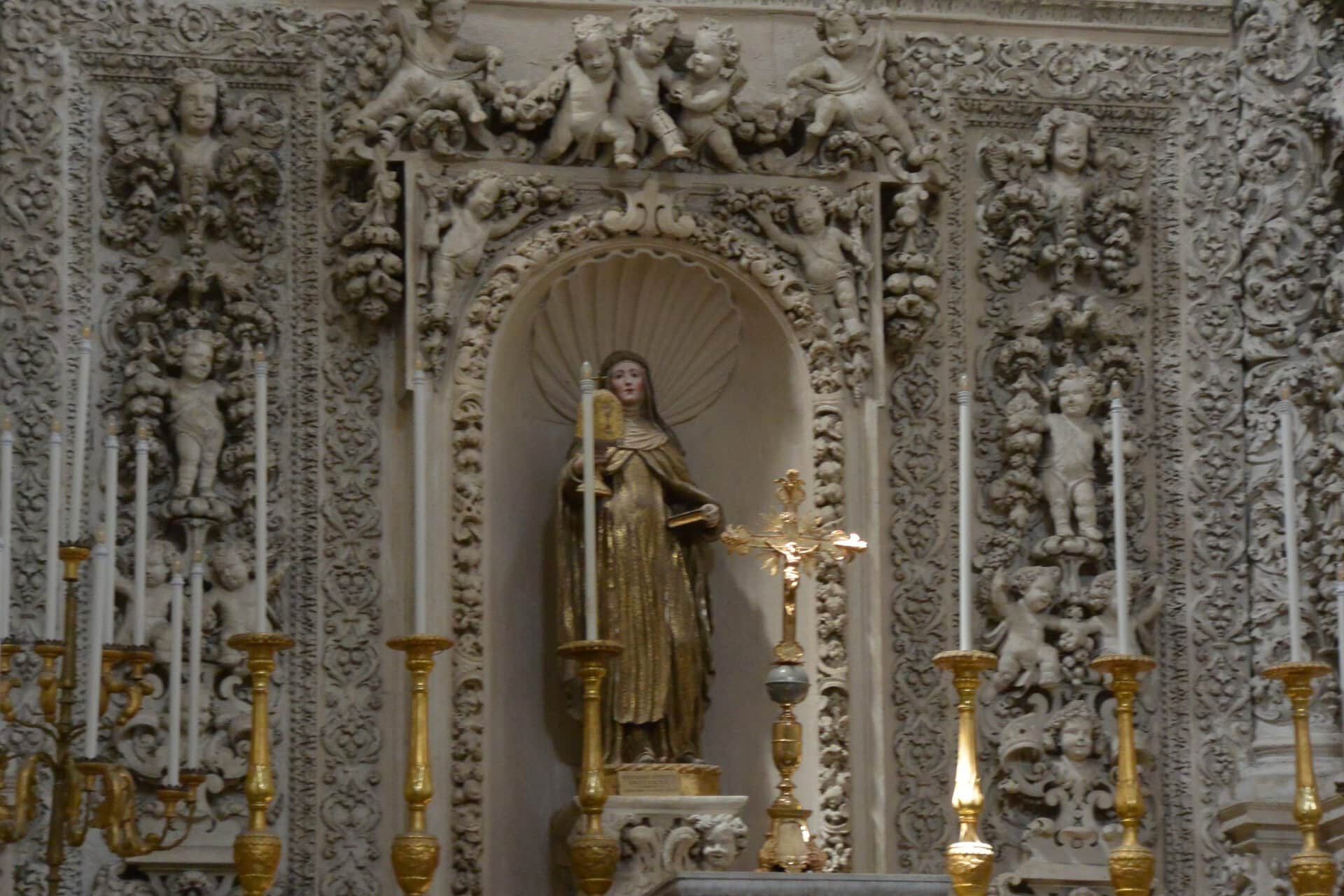
After the Duomo, we visited the Church of Santa Chiara, which dates back to the 15th century.
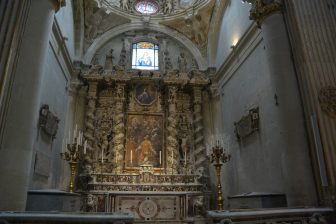
I was immediately struck by the incredibly detailed and elaborate carvings inside the church.
This level of intricate detail is a result of the unique properties of the stone used.
The local limestone, known as *Pietra Leccese* (Lecce stone), is soft—much like clay—when first quarried, making it easy to carve.
However, it hardens over time, becoming impossible to work with; consequently, the craft required artisans who could work with great speed.
It is said that, to increase durability, the artisans of the time would coat the finished carvings with milk, which helped to strengthen the stone’s surface.
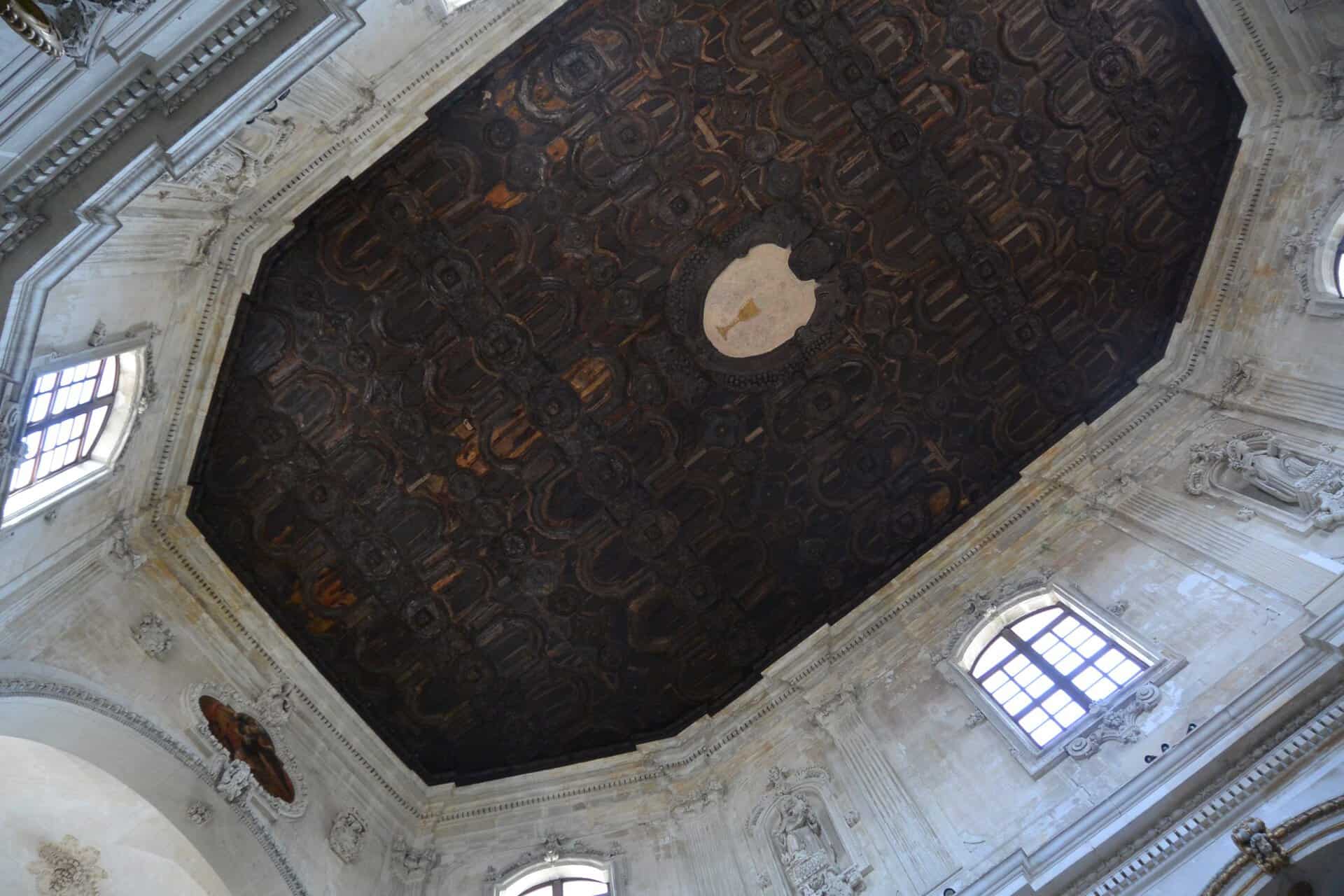
Another surprise was the ceiling.
At first glance, it appears to be made of wood, but it is actually crafted from paper!
In this region, there are four-day-long processions where statues of saints are carried through the streets.
Since wooden statues would be too heavy, a technique was developed to create them from lightweight paper.
Known as *cartapesta* (papier-mâché), this material is made simply from waste paper, water, and a flour-based paste—a method that also had the advantage of being inexpensive.
Pointing to several statues inside the church, our guide remarked, “These are made of paper, too.”
Thanks to the paint and gold leaf, they look exactly like magnificent wooden statues.
Come to think of it, the city is filled with *cartapesta* workshops and souvenir shops.
It is clearly a tradition that has been passed down to the present day.
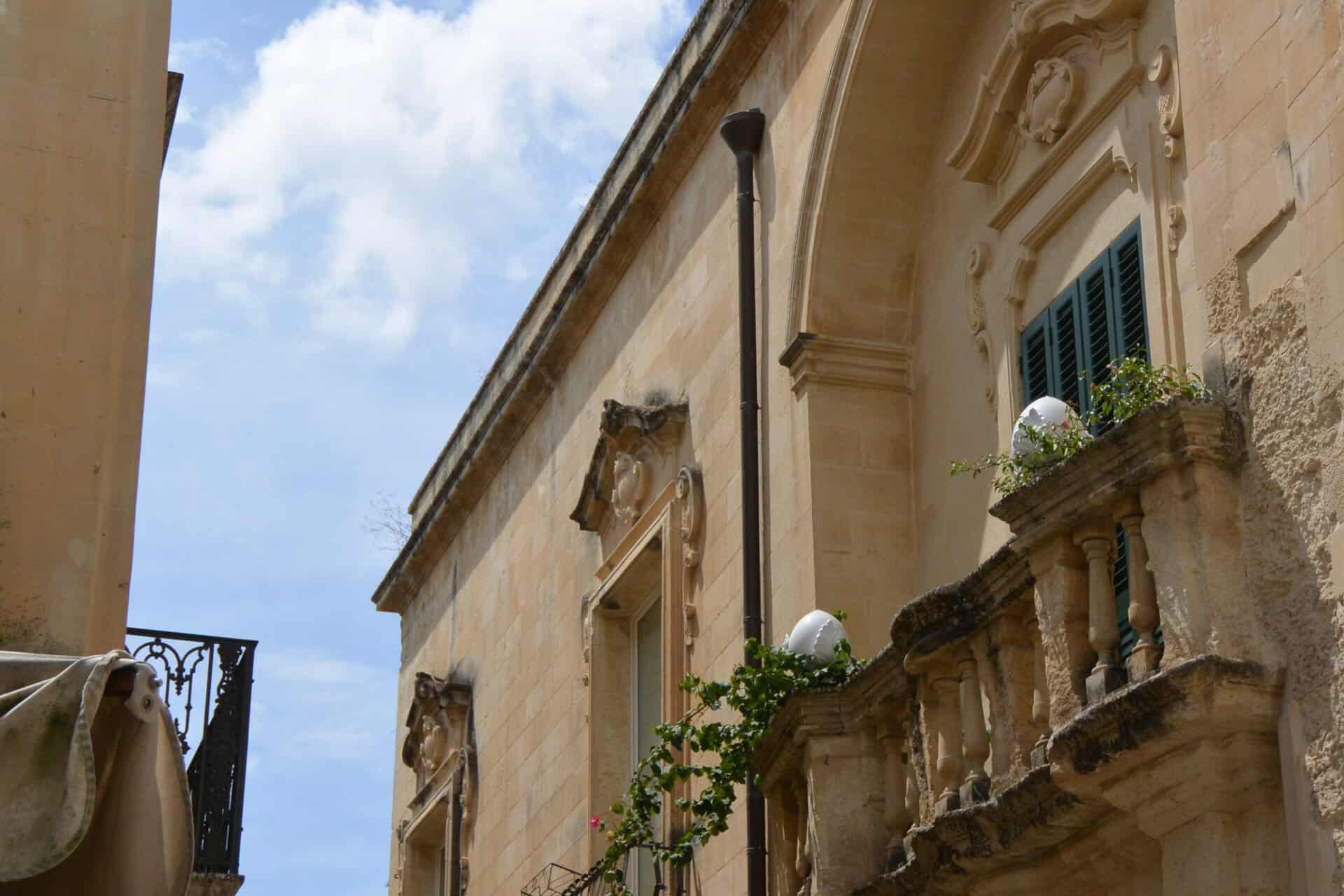
On the way from this church to our next stop, the guide pointed at something displayed on a balcony—it turned out to be a caper blossom.
In this town, caper blossoms are considered a symbol of good luck and are often given as gifts.
There’s one of these at the Airbnb where we’re staying, too.
We visited the Church of San Matteo.
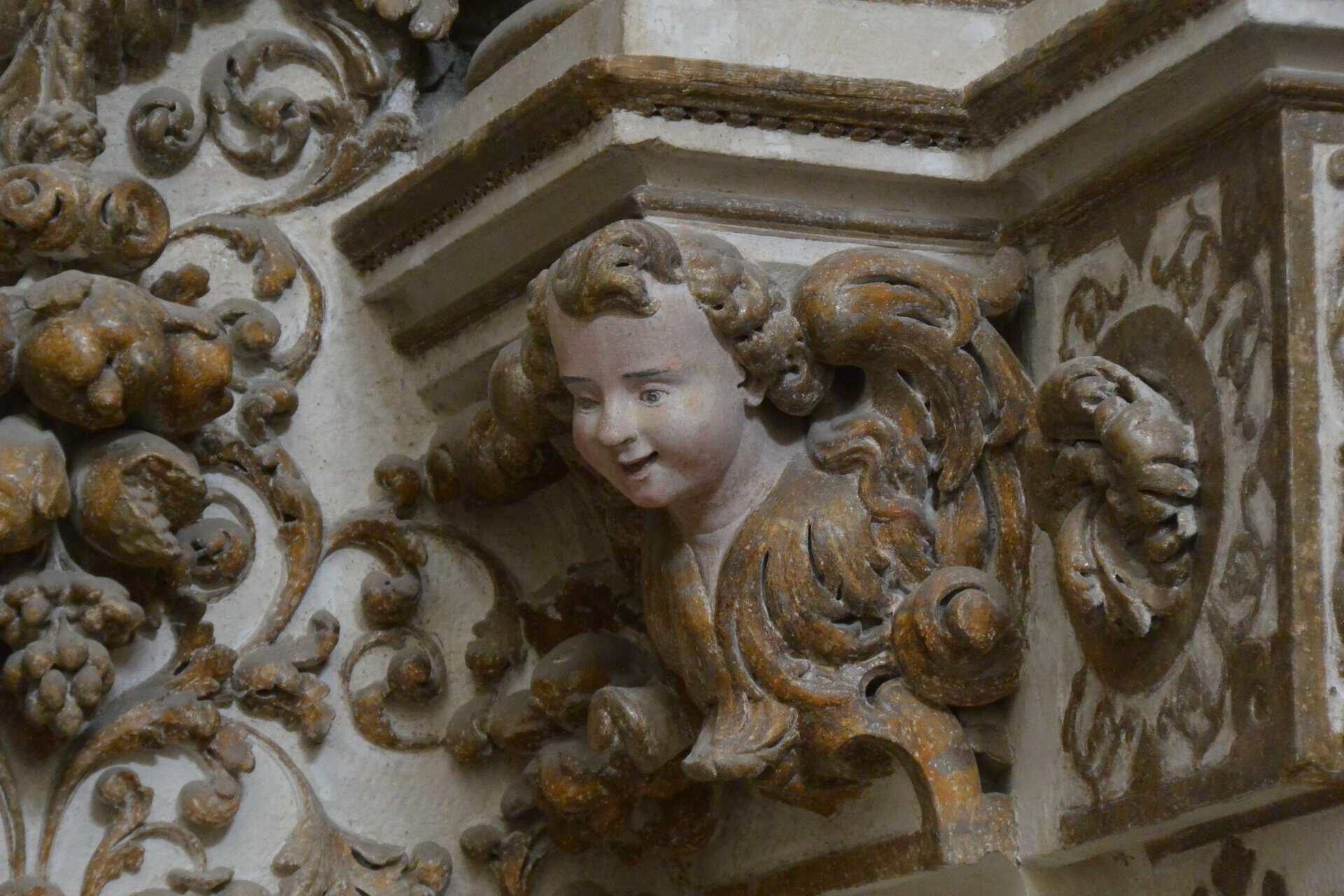
The ceiling here, having lost its original, once-lavish ornamentation, now looks rather plain.
However, the main altar and the surrounding sculptures are magnificent—I was particularly struck by the highly expressive faces of the angels.
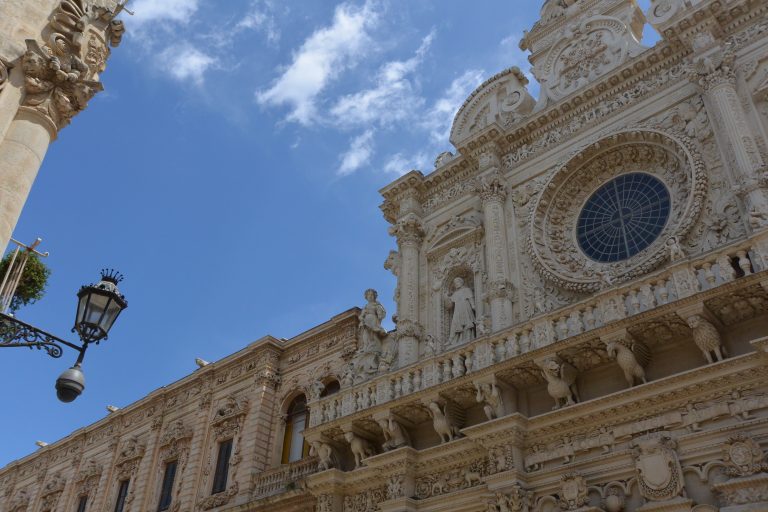
The final stop was the Basilica of Santa Croce, a true landmark of the town.
Construction began in the mid-16th century and spanned about 150 years, finally reaching completion in 1695.
Looking at its opulent exterior, it’s easy to see why it took so long to build.
This is Baroque at its finest.
The long, adjoining building was once a convent, but it now serves as the town hall.
I wonder what it’s like to work in a place that’s constantly swarming with tourists.
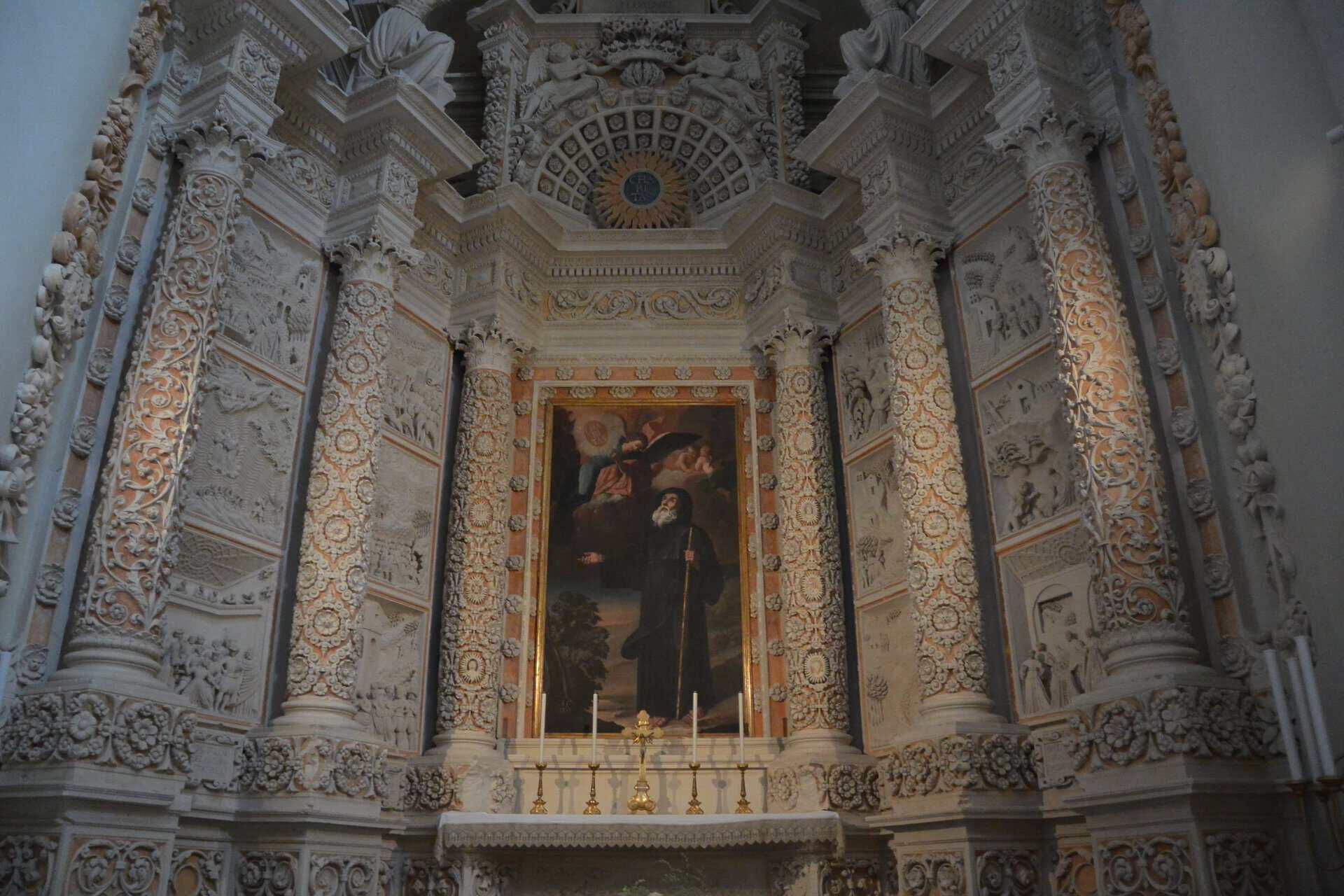
Our guide encouraged us to go inside, promising that the interior was just as wonderful—though, in truth, it wasn’t quite as striking as the exterior.
That said, the chapel, lined with pale-pink columns, was truly magnificent; it’s easy to see why it’s hailed as a Baroque masterpiece.
All four churches we visited on this tour required an entrance fee, so we had to show our tour ticket each time.
The churches certainly know how to make the most of their popularity!
However, I’m told that if you enter for the purpose of prayer or to attend Mass, it’s free of charge.
In those instances, of course, taking photographs is strictly forbidden.